Why Site Safety Managers Are Crucial for Projects
Monday, February 23, 2026 OSEA, Inc.
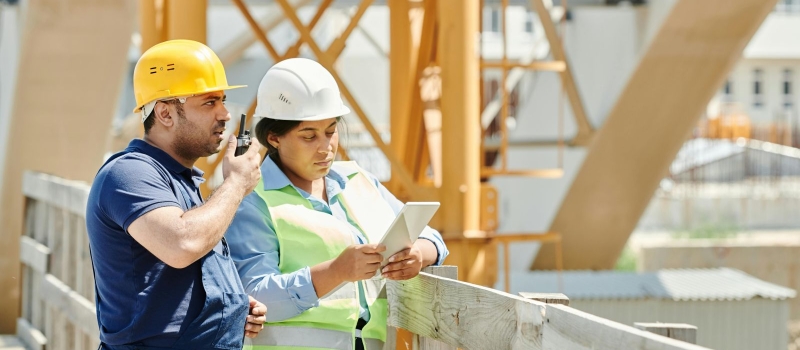
When managing any construction or industrial project, safety is often an afterthought. However, it should be one of the most important considerations. Behind every successful project, Site Safety Managers are working tirelessly to keep everyone protected while ensuring the project stays on track.
These unsung heroes not only spot potential dangers before they cause problems but also create safety systems that integrate seamlessly with daily operations and educate workers on the importance of safety in every task. Without their expertise and vigilance, projects can face costly accidents, delays, and even compliance issues.
This blog will explore why Site Safety Managers are indispensable to any project, highlighting their key responsibilities, the importance of compliance, and the ways their work improves safety and efficiency.
What Are Site Safety Managers?
Site Safety Managers are professionals responsible for ensuring a safe working environment on construction sites, industrial projects, and other high-risk settings. Their primary mission is to prevent workplace injuries and accidents while adhering to safety regulations such as OSHA standards. In addition to managing safety compliance, they also play a key role in training and mentoring employees to improve safety awareness and build a safety-first culture.
The Role of Site Safety Managers in Project Success
Site Safety Managers serve as the cornerstone of any construction or industrial project. Their role goes far beyond simply ensuring compliance with regulations; they are proactive guardians of the workplace, combining technical knowledge with real-world experience to prevent accidents before they happen.
-
Risk Identification and Assessment
One of the most critical tasks of an Site Safety Manager is to conduct regular and thorough risk assessments. These assessments allow them to identify potential hazards early on, whether it’s faulty equipment, unsafe working conditions, or hazardous materials. By identifying risks before they escalate, Site Safety Managers prevent minor issues from turning into catastrophic accidents.
Sites with dedicated Safety and Security Managers experience a significant reduction in workplace injuries and insurance claims, as indicated by recent industry studies. This proactive approach leads to fewer disruptions and an increased rate of on-time project completion.
-
Safety Training and Mentorship
A key responsibility of Site Safety Managers is to provide safety training and mentorship to workers. They tailor training programs specific to the project, ensuring workers are not only familiar with safety protocols but also understand why these measures are necessary for their protection. When employees understand the "why" behind safety practices, they are more likely to adhere to them.
-
Real-Time Hazard Mitigation
Construction sites are dynamic environments where conditions can change in a split second. Site Safety Managers are always on the lookout for hazards, ready to take immediate action when a potential risk is identified. Whether it’s a slippery surface, improperly stored materials, or equipment malfunction, Site Safety Managers act swiftly to address risks before they escalate into serious problems.
Their constant vigilance ensures that issues are resolved quickly, minimizing downtime and keeping the project moving forward smoothly.
The Financial Benefits of Site Safety Managers
While the primary role of Site Safety Managers is to safeguard workers, their work also delivers significant financial benefits to businesses. Investing in a qualified Site Safety Manager can result in:
-
Fewer workplace injuries, leading to lower insurance premiums and fewer workers’ compensation claims.
-
Reduced project delays, as safety-related accidents can halt work for days, weeks, or even longer.
-
Lower fines for non-compliance with regulations like OSHA standards.
How Site Safety Managers Impact Project Efficiency
Site Safety Managers not only protect workers but also improve project efficiency. Here's how:
-
Increased Productivity
A safe working environment leads to higher productivity. When workers feel safe, they can focus on their tasks without constantly worrying about potential accidents. This sense of security leads to fewer mistakes and higher morale, both of which contribute to smoother operations and a more efficient work environment.
-
Fewer Disruptions
Injuries, accidents, and regulatory violations can cause serious disruptions to a project. By ensuring that the site operates safely, Site Safety Managers help avoid these interruptions, keeping the project on schedule and within budget. This consistency allows the entire team to focus on their tasks rather than dealing with crisis management.
-
Stronger Client Relationships
Building a reputation for maintaining a safe and compliant project site can strengthen relationships with clients. Clients appreciate knowing that their project is being managed by professionals who prioritize safety, which can lead to long-term partnerships and future business opportunities.
Legal Compliance: Why It Matters
One of the most crucial roles of a Site Safety Manager is to ensure the project complies with local, state, and federal safety regulations. Adherence to OSHA guidelines, local safety codes, and other industry-specific standards helps protect workers and ensures that the project can proceed without unnecessary delays.
Legal compliance goes beyond avoiding fines; it’s crucial for protecting your workers and preserving your company’s reputation. Companies with dedicated safety managers experience fewer OSHA violations and lower insurance premiums. Failing to comply with safety regulations can lead to severe consequences, including substantial fines, mandatory shutdowns, and lawsuits.
At OSEA, our Site Safety Managers ensure that every project adheres to safety guidelines, keeping your team compliant and your project progressing smoothly.
The Importance of Site Safety Managers in Risk Prevention
Site Safety Managers are tasked with identifying and addressing risks throughout a project. Their responsibilities include inspecting equipment, assessing work practices, and ensuring the proper use of personal protective equipment (PPE). Enforcing strict safety measures, such as PPE compliance and conducting regular safety drills, can significantly reduce accident rates.
Additionally, regular safety drills and emergency preparedness training ensure that workers are always ready to respond in case of a fire, chemical spill, or other emergency. This training saves lives and ensures the team can act quickly and efficiently in high-pressure situations.
Why Choose OSEA for Site Safety Management?
OSEA has been providing expert safety consultation, training, and management services for over 30 years. Our Site Safety Managers bring unmatched expertise to every project, ensuring that you not only meet but exceed safety requirements. We offer:
-
Tailored Safety Programs: We customize our safety training and assessments to fit the unique needs of your project.
-
Expert Risk Management: Our safety managers identify and mitigate risks proactively, ensuring your project stays on schedule.
-
Ongoing Support: We don’t just train your team and leave, we offer continuous support, including re-certifications and periodic safety audits.
With OSEA, you gain a trusted partner committed to making your workplace safer, more efficient, and more productive.
Ensure Project Success with OSEA’s Expert Site Safety Managers
Site Safety Managers are more than just enforcers of rules, they are vital to the success and efficiency of any construction or industrial project. By ensuring safety, reducing risks, and maintaining compliance, they contribute to smoother operations and better financial outcomes. With the right Site Safety Manager in place, your project will not only stay safe but also stay on track.
Contact OSEA today to schedule a consultation or training session and see how our expert safety managers can help your project succeed.