
How Lead Safety Training Mitigates Workplace Risks
Tuesday, April 14, 2026 OSEA, Inc.
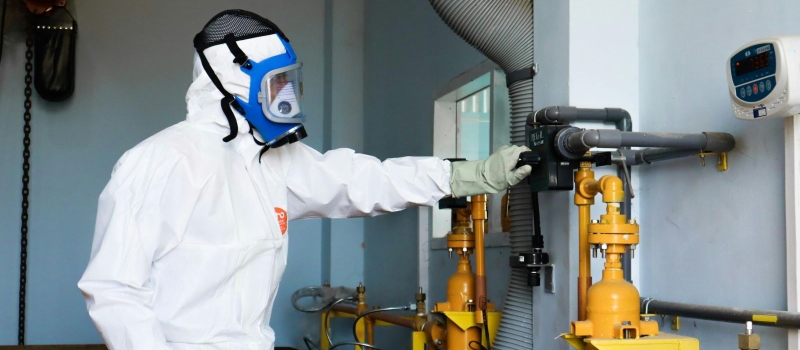
For businesses in Buffalo, NY, Syracuse, NY, and Charlotte, NC, professional lead safety training is critical. Lead exposure is one of the most serious and often underestimated workplace hazards. Found in everything from aging infrastructure to industrial materials, lead poses long-term health risks that can quietly impact employees and create major compliance challenges for employers.
For safety managers, business owners, and compliance officers, the stakes are high. Failing to properly address lead hazards can result in OSHA violations, costly fines, reduced productivity, and long-term harm to workers. This is where professional lead safety training becomes essential.
By combining regulatory compliance with hands-on instruction, lead safety training equips your workforce with the knowledge and skills needed to reduce exposure, prevent contamination, and maintain a safe, compliant job site.
What Is Lead Safety Training?
Lead safety training is a structured program designed to educate workers on identifying, handling, and minimizing exposure to lead hazards in the workplace. It goes beyond basic awareness, focusing on real-world application and daily safety practices.
Participants learn how to recognize common sources of lead exposure, including lead-based paint, contaminated dust, industrial materials, and older infrastructure systems. These risks are especially prevalent in industries such as construction, manufacturing, demolition, and environmental remediation.
More importantly, training emphasizes how to control these risks effectively. Employees are taught how to use personal protective equipment (PPE) correctly, follow safe work practices, and implement hygiene protocols that reduce the likelihood of inhalation or ingestion.
Hands-on training is a critical component. Workers practice using respirators, applying dust suppression techniques, and performing proper cleanup procedures using HEPA-filter equipment. This practical approach ensures that safety protocols are not just understood but consistently applied on the job.
Why Lead Exposure Is a Serious Workplace Risk
Lead exposure is not always immediately visible, which makes it particularly dangerous. Workers may be exposed over time without obvious symptoms, allowing damage to accumulate gradually.
Health risks associated with lead exposure include neurological damage, kidney dysfunction, cardiovascular issues, and reduced cognitive performance. Even low levels of exposure can have measurable effects, particularly over extended periods.
Beyond individual health concerns, lead exposure creates broader risks for businesses. Contaminants can travel outside the workplace on clothing, tools, and equipment, exposing family members and increasing liability.
From a business perspective, the consequences include:
-
Increased workers’ compensation claims and healthcare costs
-
Lost productivity due to illness or absenteeism
-
Regulatory violations and fines
-
Damage to the company's reputation
For organizations operating in regulated industries, these risks make proactive training not just beneficial but necessary.
OSHA Requirements for Lead Safety
The Occupational Safety and Health Administration (OSHA) sets strict standards for workplace lead exposure. Employers must comply with these regulations to protect workers and avoid penalties.
Workplace regulations set strict limits on how much lead employees can be exposed to over a standard work period. When exposure reaches certain thresholds, employers are required to take additional steps, such as enhanced monitoring and ongoing health evaluations, to protect workers.
To remain compliant, employers must implement the following:
-
Exposure monitoring programs to assess airborne lead levels
-
Medical surveillance, including blood lead testing
-
Engineering controls to reduce exposure
-
Proper PPE usage and maintenance
-
Hygiene facilities to prevent contamination
-
Comprehensive employee training
Failure to meet these requirements can result in significant fines and operational disruptions. More importantly, it directly endangers employees.
Lead safety training ensures that both employers and workers understand these regulations and know how to meet them consistently.
Key Components of Effective Lead Safety Training
Not all training programs deliver the same results. Effective lead safety training is comprehensive, practical, and tailored to the specific risks of your workplace. A high-quality program includes several essential components:
-
Hazard Recognition
The foundation of any program. Workers must be able to identify where lead exists and understand how exposure occurs. Without this awareness, other safety measures lose effectiveness. -
Proper Use of PPE (Personal Protective Equipment)
Employees need to know how to select, wear, maintain, and store respirators, gloves, and protective clothing. Incorrect use can significantly reduce protection. -
Safe Work Practices
Techniques that minimize exposure, including:-
Wet methods to control dust
-
Proper material handling
-
Avoiding behaviors that increase contamination risk
-
-
Exposure Monitoring
Organizations must track lead levels in the environment and take corrective action when necessary. Training ensures workers understand both the process and its importance. -
Medical Surveillance Programs
Regular testing enables early detection of lead exposure. Employees learn why ongoing monitoring is critical for long-term health protection. -
Hands-On Training & Real-World Scenarios
Practical instruction reinforces learning, builds confidence, and increases the likelihood that employees will follow procedures correctly under pressure.
How Lead Safety Training Reduces Workplace Risks
The impact of lead safety training is measurable and significant. Organizations that invest in structured training programs see clear improvements in both safety outcomes and operational performance.
Training reduces exposure incidents by teaching workers how to avoid hazardous situations before they occur. Employees become more aware of their surroundings and more proactive in identifying risks.
Proper use of PPE increases dramatically, which directly lowers the likelihood of inhalation or ingestion of lead particles. Workers who understand the “why” behind safety protocols are more likely to follow them consistently.
Training also reduces the spread of contamination. By implementing proper hygiene and decontamination procedures, workers prevent lead from leaving the job site and affecting others.
From a compliance standpoint, trained employees are better equipped to follow OSHA regulations, reducing the risk of violations and fines. Documentation of training also supports compliance during inspections and audits.
Perhaps most importantly, training fosters a culture of safety. When employees feel informed and empowered, they take ownership of their role in maintaining a safe work environment.
Business Benefits of Investing in Lead Safety Training
While compliance is a major driver, the value of lead safety training extends far beyond regulatory requirements:
-
Lower Healthcare Costs
Fewer exposure-related illnesses reduce medical expenses and long-term liability. -
Reduced Absenteeism & Higher Productivity
Healthier employees lead to more consistent attendance and smoother operations. -
Fewer Incidents & Project Delays
Safer worksites mean fewer disruptions—critical for industries with tight timelines and budgets. -
Reduced Legal & Financial Risk
Avoid costly OSHA violations and minimize reputational damage. A strong safety record builds trust with clients, partners, and employees. -
Improved Employee Morale & Retention
Workers who feel protected are more engaged and more likely to stay long-term.
Choosing the Right Lead Safety Training Partner
Selecting the right training provider is critical to achieving these outcomes. Not all programs offer the same level of expertise, customization, or hands-on experience.
Look for a provider with proven experience in OSHA compliance, industrial hygiene, and safety consulting. Training should be tailored to your industry and specific workplace risks, not delivered as a one-size-fits-all solution.
Hands-on instruction is essential. Programs that include practical demonstrations and real-world scenarios are far more effective than lecture-only formats. Reputation also matters. Established providers with strong client relationships and positive testimonials offer added confidence in the quality of their services.
Partner with OSEA for Expert Lead Safety Training
Since 1991, Occupational Safety & Environmental Associates (OSEA) has been a trusted partner for organizations seeking to improve workplace safety and maintain compliance.
With extensive experience in safety training, OSHA compliance, and industrial hygiene, OSEA delivers hands-on programs designed to address real-world challenges. Their practical approach ensures that employees not only understand safety protocols but also apply them effectively in their daily work.
Whether you’re managing a construction site, industrial facility, or environmental project, OSEA provides the expertise and support needed to protect your workforce and strengthen your safety culture.
Take the Next Step Toward Safer Operations
Lead exposure is a preventable risk, but only with the right knowledge, training, and systems in place.
Investing in professional lead safety training helps you protect your employees, maintain compliance, and avoid costly disruptions. It also positions your organization as a leader in workplace safety, something that matters to both regulators and clients.
If you’re ready to reduce risk and improve safety performance, now is the time to act. Contact OSEA today to schedule a consultation in Buffalo, Syracuse, Charlotte, or surrounding areas and learn how their lead safety training programs can support your business.