Safety Training Near Me: Essential Skills for Employees
Thursday, May 14, 2026 OSEA, Inc.

Finding local safety training can be overwhelming due to numerous options. However, selecting the right course near your workplace is critical for ensuring safety and meeting essential regulations.
Whether you're an employee eager to acquire practical skills or a manager dedicated to protecting your team, local safety training offers hands-on learning that makes all the difference when it counts.
This guide will walk you through what to look for and why it matters. You’ll also learn how to choose training that fits your unique needs.
Why Local Safety Training is Essential for Employees
Employees attending nearby safety training courses gain essential skills such as hazard recognition, proper use of personal protective equipment (PPE), emergency response procedures, safe material handling, and compliance with OSHA regulations.
These foundational training modules form the bedrock of any safe and productive work environment, equipping employees to respond effectively to hazards and reduce the risk of workplace accidents.
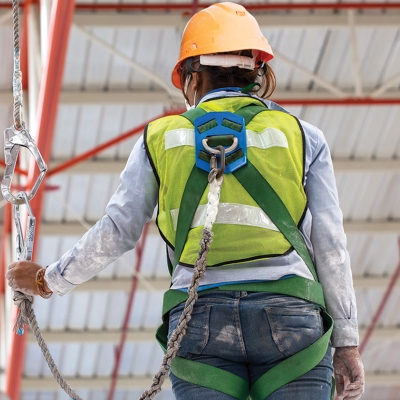
Moreover, safety training covers industry-specific topics, including fall protection, confined space entry, and ergonomic injury prevention. These areas are critical in reducing the risk of workplace accidents, protecting workers' well-being, and ensuring a compliant and efficient organization.
Locating Local Safety Training Centers
In the age of digital convenience, finding safety training centers near you has never been easier. Simply typing “Safety Training Near Me” into search engines like Google or Yelp provides a list of nearby facilities, complete with user reviews and ratings.
OSEA (Occupational Safety & Environmental Associates) makes this process even simpler. With a user-friendly website, OSEA offers comprehensive listings of training centers in cities like Buffalo, Syracuse, and Charlotte. Whether you need OSHA compliance courses or specialized training in asbestos handling, OSEA tailors programs to the specific needs of industries ranging from construction to healthcare. In addition to in-person training, OSEA also provides live webinars, adding flexibility without sacrificing course depth.
While proximity matters, it’s important to look beyond location. Consider reviews that highlight the quality of instruction, the relevance of course materials, and the overall training experience. Don’t hesitate to contact centers directly to clarify questions and gain further insights.
Comparing Services and Course Offerings
Not all safety training centers are created equal. Some focus on broad OSHA compliance courses suitable for multiple industries, while others specialize in niche certifications like pipeline safety, industrial hygiene, or asbestos handling.
OSEA stands out by offering over 55 specialized courses, covering everything from general safety fundamentals to highly tailored topics for industries like construction, manufacturing, and oil and gas.
When evaluating training centers, consider the following factors:
|
Factor |
Importance |
|
Availability of refresher courses |
Ensures ongoing compliance and keeps knowledge up to date. |
|
Alignment with OSHA and state regulations |
Guarantees up-to-date, industry-standard training content. |
|
Private or on-site group sessions |
Tailors training to the specific hazards of a company or industry. |
By selecting a center with a diverse range of services like OSEA, you reduce the hassle of juggling multiple vendors and simplify the process of maintaining continuous compliance.
Evaluating Instructor Expertise
The quality of a course’s curriculum matters, but without experienced instructors, it’s hard for that knowledge to translate into real-world application. Look for trainers who combine formal credentials with hands-on, real-world experience. This ensures that lessons are practical, engaging, and aligned with the challenges employees will face in the workplace.
OSEA instructors bring decades of field knowledge from a variety of industries, including construction, environmental safety, and industrial hygiene. This experience allows them to answer complex questions and tailor lessons to the specific needs of each workplace.
At OSEA, training led by seasoned professionals provides more than just theoretical knowledge. It equips employees to confidently apply what they’ve learned on-site and handle challenges as they arise. After all, it's not just about passing exams; it's about ensuring safety in the real world.
Essential Safety Skills for Employees
While there are many topics covered in safety training, some foundational skills are absolutely critical to creating a secure work environment. Here are the core skills employees should acquire in any safety training program:
1. First Aid and CPR
Basic first aid and CPR knowledge can literally save lives before medical professionals arrive. These skills are essential in every workplace, ensuring that employees can quickly respond to injuries or health crises. A quick response can prevent further harm, minimize recovery time, and even save lives.
2. Fire Safety and Fire Extinguisher Training
Training employees to recognize early signs of a fire and respond appropriately is vital. Employees should understand how to use fire extinguishers, identify fire risks, and know the correct evacuation routes. These skills can prevent minor incidents from escalating into major disasters.
3. Personal Protective Equipment (PPE)
Knowing when and how to use PPE (gloves, goggles, helmets, etc.) is a key component of workplace safety. Employees must understand the proper selection, use, and maintenance of their equipment to minimize exposure to workplace hazards.
Hazard Identification and Risk Management
Recognizing potential workplace hazards before they cause injury or damage is a core component of any effective safety program. Employees should learn how to identify physical, chemical, ergonomic, biological, and psychosocial hazards and know how to report and address them proactively.
At OSEA, the training includes industry-specific hazard identification, ensuring that employees understand the unique risks they face on the job. This knowledge empowers workers to become active participants in maintaining safety, rather than passive observers waiting for accidents to occur.
Compliance with Workplace Safety Standards
Meeting regulatory requirements is not just about avoiding penalties; it's about ensuring a safe and compliant work environment. Compliance with OSHA, EPA, and local regulations is critical to protecting employees from injury, illness, and environmental harm. For example:
-
OSHA’s General Duty Clause mandates employers to provide a workplace free from recognized hazards.
-
EPA regulations focus on preventing pollution and managing hazardous waste safely.
By adhering to these standards, companies build trust with their employees and avoid costly fines. Safety training programs like those offered by OSEA ensure compliance while creating a workplace culture where safety isn’t just a rule; it’s a shared responsibility.
Employee Benefits of Safety Education
Comprehensive safety training empowers employees, enhancing their knowledge and confidence. With the right skills, employees can respond effectively to hazards, reducing the likelihood of accidents and injuries. As a result, productivity increases, as there are fewer interruptions due to work-related injuries or safety concerns.
Data supports this connection: Companies that invest in safety training report a significant reduction in injury rates, improved morale, and a boost in overall productivity. Employees feel valued when they know their well-being is a priority, creating a positive, safety-focused work environment.
Invest in Safety Training to Protect Your Workforce
Investing in safety education goes beyond meeting regulations; it's an essential step in fostering a resilient and efficient workforce. By offering your employees the right training, from basic first aid to advanced hazard recognition, you're not just ensuring their safety; you're empowering them to excel in their roles with confidence.
At OSEA, we provide over 55 specialized courses designed to address the unique needs of your industry, ensuring that your team is equipped to handle any safety challenge. Don’t wait until it’s too late; make safety a priority today.
Get your team trained and compliant with OSEA’s expert-led safety courses. Contact us now for a consultation and discover how we can help you create a safer, more productive workplace!