What Are Safety Health Mentorship Programs in Rochester NY
Friday, July 17, 2026 OSEA, Inc.
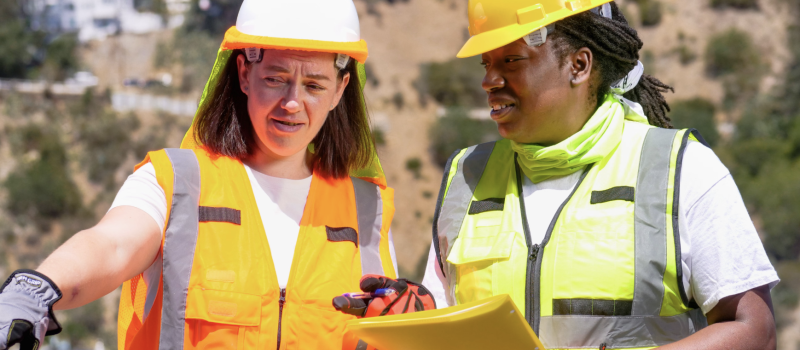
Keeping a workplace safe requires more than completing a course or reviewing a written safety manual. Employees responsible for environmental health and safety must know how to identify hazards, interpret requirements, communicate with workers, document findings, and recommend practical corrective actions.
Safety and health mentorship programs in Rochester, NY, help emerging safety professionals build these skills through guided, real-world experience. Participants work with experienced safety professionals who can demonstrate how safety principles apply during inspections, audits, meetings, investigations, and everyday operations.
For employers, mentorship offers a structured way to prepare employees for safety responsibilities, transfer institutional knowledge, and strengthen internal safety leadership. It can be particularly valuable when an organization is promoting an employee, replacing an experienced safety manager, expanding operations, or addressing recurring compliance concerns.
What Is a Safety and Health Mentorship Program?
A safety and health mentorship program pairs an employee developing safety expertise with an experienced environmental health and safety professional. The mentor provides practical guidance as the participant learns to manage workplace safety responsibilities.
Unlike a stand-alone course, mentorship focuses on applying technical knowledge in real workplace situations. Participants may work alongside a mentor while:
-
Conducting workplace inspections and safety audits
-
Reviewing incidents and evaluating hazards
-
Preparing compliance documentation
-
Attending safety meetings
-
Communicating corrective recommendations
-
Supporting employee training
-
Following up on corrective actions
A strong mentor does more than provide instructions. The mentor explains why a condition presents a risk, how applicable requirements affect the organization, and which corrective actions may be practical. As the participant gains experience, they assume greater responsibility and develop the judgment needed to address routine safety concerns independently.
Why Is Safety Mentorship Important?
Formal safety training provides an essential foundation in workplace hazards, regulatory requirements, emergency procedures, documentation practices, and employee protection. However, completing a course does not necessarily prepare someone to manage every situation that may arise in an active workplace.
For example, a newly appointed safety coordinator may understand hazard communication requirements but still need guidance when evaluating chemical storage practices. A new safety manager may recognize a hazard but feel uncertain about how to explain its significance to company leadership.
Mentorship closes the gap between technical knowledge and practical decision-making. Participants can practice important responsibilities under supervision, ask questions, and receive feedback before taking full responsibility for a workplace safety program.
How Do Workplace Safety Mentorship Programs Work?
A mentorship program should reflect the organization’s industry, operations, workforce, hazards, and safety responsibilities. Construction contractors, manufacturing facilities, warehouses, healthcare organizations, and environmental services companies do not face the same risks. Effective mentorship must therefore be tailored to the participant’s expected duties and the employer’s operational needs.
Assessing the Organization’s Needs
Before mentorship begins, the employer should define the role the participant is preparing to fill and the abilities required to perform it effectively.
The assessment may consider:
-
Primary workplace hazards
-
Applicable safety and environmental requirements
-
Previous incidents or audit findings
-
Existing policies and procedures
-
Training and documentation responsibilities
-
The participant’s current experience
-
Areas requiring additional development
This information helps the mentor create a focused development plan instead of relying on generic instruction.
Providing Relevant Safety Training
Participants may need formal courses before or during the mentorship process. The selected training should reflect their responsibilities and the hazards present in the workplace.
Relevant topics may include:
-
OSHA compliance and hazard communication
-
Emergency preparedness
-
Construction safety
-
Hazardous waste operations
-
Incident investigation
-
Personal protective equipment
-
Fire and NFPA-related safety requirements
This training establishes the technical foundation participants need before making decisions that affect employees, compliance, and operations.
Applying Knowledge During Workplace Activities and Building Independence Over Time
During a joint safety audit, a mentor may demonstrate how to observe work practices, recognize hazards, review documentation, speak with employees, and prioritize corrective actions.
The participant can then perform parts of the process under supervision, such as preparing sections of an audit report, leading part of a safety meeting, or coordinating follow-up actions. The mentor provides feedback, corrects misunderstandings, and explains factors that may not be fully addressed in formal training.
As the participant’s knowledge and confidence improve, they take on greater responsibility. The goal is to prepare them to manage routine safety concerns independently while recognizing when a complex issue requires additional expertise.
What Skills Can Participants Develop?
A structured mentorship program can help participants strengthen both technical and professional skills.
Hazard Recognition and Risk Assessment
Participants learn how to observe workplace conditions and recognize hazards that could lead to injuries, illnesses, property damage, or operational disruptions.
They also learn how to consider the likelihood and potential severity of an incident. This helps them prioritize corrective actions and focus resources on the most significant risks.
Safety Auditing
Safety audits require more than walking through a facility with a checklist. Auditors must understand the organization’s operations, observe employee behaviors, review records, document findings, and recommend practical solutions.
Mentorship allows participants to develop these skills under the guidance of someone with auditing experience.
Incident Investigation
An effective incident investigation looks beyond the immediate event.
Participants may learn how to gather information, interview employees, review procedures, identify contributing factors, and recommend actions that reduce the risk of recurrence.
Mentors can help participants avoid focusing only on employee behavior when training, equipment, supervision, communication, or workplace conditions may also have contributed.
Safety Documentation
Accurate records support accountability and help organizations track safety performance.
Participants may receive guidance on preparing:
-
Audit reports
-
Inspection records
-
Training documentation
-
Incident reports
-
Corrective action plans
-
Safety meeting notes
-
Compliance records
-
Written safety procedures
Mentors can also explain why timely, accurate documentation is important during internal reviews, client evaluations, and regulatory inspections.
Communication and Leadership
Safety professionals must communicate with employees, supervisors, facility managers, contractors, and executives.
Each audience may require a different approach. Employees often need clear instructions about safe work practices, while executives may need information about operational risk, compliance obligations, and recommended investments.
Mentorship helps participants learn how to present safety concerns clearly, professionally, and constructively.
How Do Rochester Employers Benefit From Mentorship?
Although mentorship supports individual professional development, it also provides significant organizational benefits.
More Effective Employee Development
Mentorship creates a structured path for employees moving into safety-related positions.
Instead of expecting a new coordinator or manager to understand every responsibility immediately, the employer can provide training, supervised experience, and access to expert guidance.
Better Succession Planning
Organizations can lose valuable knowledge when an experienced safety professional retires, changes roles, or leaves the company.
A mentorship program helps transfer knowledge before that transition occurs. Developing employees can learn the organization’s procedures, operational risks, reporting systems, and safety priorities while experienced personnel are still available to guide them.
Greater Confidence in Safety Decisions
Managers may hesitate to assign safety responsibilities to an employee who has completed training but has limited field experience.
Mentorship provides additional assurance that the participant has practiced important responsibilities in real workplace environments.
Stronger Safety Culture
Safety culture grows when employees see that leadership treats safety as an ongoing responsibility rather than a one-time training requirement.
A safety professional supported by an experienced mentor can reinforce expectations, communicate consistently, identify concerns early, and help employees understand how their actions affect coworkers.
Improved Compliance Support
Regulatory requirements can be difficult to apply without considering the organization’s specific operations.
Mentors help participants connect safety requirements with actual work practices, documentation systems, equipment, and employee responsibilities. This supports a more practical and sustainable approach to compliance.
Which Organizations Should Consider Safety Mentorship?
A safety and health mentorship program may be useful for an organization that:
-
Recently hired a safety coordinator
-
Promoted an employee into a safety position
-
Is preparing for the retirement of a safety manager
-
Is expanding into a new facility or service area
-
Has experienced recurring incidents
-
Needs additional support with audits or documentation
-
Has difficulty recruiting experienced safety professionals
-
Wants to develop internal safety leadership
-
Is implementing new safety procedures
-
Needs help strengthening its overall safety culture
Mentorship may also benefit organizations where safety responsibilities are divided among HR personnel, facility managers, supervisors, and operations leaders who have not received extensive safety training.
How Is Mentorship Different From Safety Training?
Safety training and mentorship serve related but distinct purposes.
Training teaches participants about specific hazards, regulations, responsibilities, and procedures. It may take place in a classroom, online, or at the employer’s facility.
Mentorship helps participants apply that knowledge.
A course might explain how to conduct an inspection. A mentor demonstrates how to prepare for the inspection, evaluate conditions, speak with employees, document findings, and recommend realistic corrective actions.
The strongest professional development plans often combine both approaches. Formal training builds technical knowledge, while mentorship builds judgment, confidence, and practical competence.
What Should Employers Look for in a Mentorship Provider?
Employers should choose a provider with… the ability to adapt the program to the organization’s needs.
Important qualities include the following:
-
Experienced safety professionals
-
Hands-on workplace guidance
-
Training aligned with industry hazards
-
Support during audits and inspections
-
Assistance with safety documentation
-
Clear development goals
-
Constructive feedback
-
Strong communication skills
-
Access to specialized technical expertise
-
A plan for building independent decision-making
Employers should also ask how progress will be evaluated and how the mentor will coordinate with company leadership.
Develop Stronger Safety Leadership With OSEA
Since 1991, Occupational Safety & Environmental Associates, Inc. has helped organizations address environmental, health, safety, and risk management concerns. OSEA provides safety training, workplace audits, OSHA compliance support, hazardous waste training, industrial hygiene testing, NFPA training, and other specialized safety services.
OSEA’s hands-on, practical approach is designed to help organizations address real workplace challenges while protecting employees and supporting compliance.
For Rochester-area employers, safety mentorship can provide a structured way to develop knowledgeable professionals who are prepared to manage inspections, documentation, employee communication, and ongoing safety responsibilities.
To learn how OSEA can help strengthen your organization’s safety leadership and protect your workforce, contact us today.