How Does PPE Fit Testing Help Workers in Syracuse NY?
Monday, June 15, 2026 OSEA, Inc.
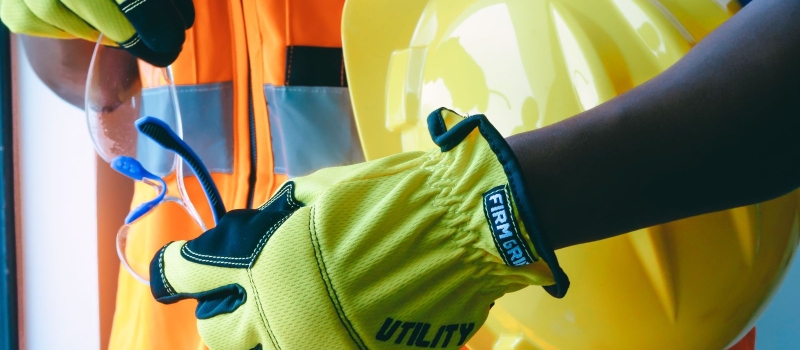
When employees work around dust, fumes, chemicals, or other airborne hazards, personal protective equipment (PPE) serves as a critical line of defense. However, PPE can only provide effective protection when it is properly fitted and maintained. A respirator or other tight-fitting protective equipment that fails to create a proper seal may allow hazardous contaminants to bypass protective barriers, increasing worker exposure and creating potential compliance concerns for employers.
For businesses throughout Syracuse and Central New York, PPE fit testing is an important part of maintaining a safe workplace and supporting OSHA compliance efforts. Whether you operate a construction company, manufacturing facility, utility operation, environmental remediation firm, or industrial worksite, ensuring employees wear properly fitted PPE helps reduce risks, improve worker confidence, and support long-term safety goals.
Since 1991, Occupational Safety & Environmental Associates (OSEA) has helped organizations strengthen workplace safety programs through training, compliance support, audits, industrial hygiene services, and PPE fit testing solutions designed to protect workers and reduce operational risks.
In this guide, we'll explain how PPE fit testing works, why it matters, and how Syracuse employers can build stronger workplace safety programs.
Why PPE Fit Testing Matters
Personal protective equipment plays a vital role in workplace safety, but even high-quality equipment may fail to provide adequate protection if it does not fit the individual using it.
Because every employee has unique facial features and physical characteristics, PPE fit testing should be performed on each worker. PPE that fits one worker perfectly may not provide the same level of protection for another. Small gaps around the face can allow airborne contaminants to enter the breathing zone, reducing the effectiveness of the equipment and increasing exposure risks.
Proper PPE fit testing helps ensure:
-
Protective equipment forms an adequate seal
-
Employees receive the intended level of protection
-
Exposure to airborne contaminants is minimized
-
Workers understand how to properly wear and maintain equipment
-
Employers remain compliant with applicable OSHA requirements
-
Safety programs function as intended in real-world working conditions
For organizations operating in high-risk environments throughout Syracuse, PPE fit testing is a practical investment in both employee safety and regulatory compliance.
OSHA Requirements for PPE Fit Testing
OSHA requires employers to ensure that workers using certain forms of personal protective equipment receive proper fit testing as part of a comprehensive workplace safety program.
According to OSHA's Respiratory Protection Standard (29 CFR 1910.134), employers must provide fit testing:
-
Before an employee uses qualifying PPE for the first time
-
At least annually thereafter
-
Whenever a different model, style, or size is introduced
-
When physical changes could affect proper fit, such as significant weight changes, facial surgery, or dental work
Failing to meet these requirements can result in citations, penalties, increased liability, and greater risk of worker exposure.
For many employers, managing testing schedules, documentation requirements, and compliance obligations across multiple employees and locations can be challenging. Partnering with experienced safety professionals helps ensure fit testing is conducted properly and documented accurately.
How PPE Fit Testing Works
PPE fit testing is designed to verify that protective equipment provides an effective seal and performs as intended.
The process begins with selecting appropriate PPE based on workplace hazards, employee responsibilities, and exposure risks. Once the equipment is selected, testing can be performed using one of two common methods.
Qualitative Fit Testing
Qualitative fit testing relies on the employee's ability to detect a test substance through taste, smell, or irritation.
During testing, the worker wears the PPE while a harmless challenge agent is introduced. If the employee can detect the substance, adjustments may be needed to achieve a proper fit.
This method is commonly used for certain disposable and half-face protective equipment applications.
Quantitative Fit Testing
Quantitative fit testing uses specialized equipment to measure leakage around the protective seal.
Testing equipment provides objective numerical data that helps determine whether the PPE meets required performance standards.
Because it offers precise measurements, quantitative testing is often preferred in environments where a higher level of protection is necessary.
Industries That Benefit from PPE Fit Testing in Syracuse
Many industries throughout Syracuse and Central New York rely on properly fitted PPE to protect employees from workplace hazards.
Construction
Construction workers are frequently exposed to:
-
Silica dust
-
Demolition debris
-
Welding fumes
-
Asbestos-containing materials
Proper PPE fit testing helps reduce exposure risks while supporting compliance on active job sites.
Manufacturing
Manufacturing facilities commonly generate:
-
Chemical vapors
-
Industrial dust
-
Metal fumes
-
Airborne contaminants
Fit testing helps ensure employees receive the protection necessary to safely perform their duties.
Environmental and Hazardous Waste Operations
Workers involved in remediation, hazardous waste handling, and environmental cleanup often face elevated exposure risks.
PPE fit testing helps organizations maintain compliance while protecting workers from potentially harmful contaminants.
Utilities and Industrial Facilities
Power generation facilities, water treatment plants, and industrial operations frequently require employees to use specialized PPE during maintenance, confined space work, and chemical handling activities.
Comprehensive fit testing programs help reduce workplace risks and support operational safety goals.
Benefits of Professional PPE Fit Testing
While many employers view fit testing as a regulatory requirement, the benefits extend far beyond compliance.
Improved Worker Protection
The primary objective of fit testing is to ensure employees receive the intended level of protection.
Properly fitted PPE helps reduce exposure to airborne hazards that may contribute to respiratory illnesses and long-term health concerns.
Stronger OSHA Compliance
Documented fit testing demonstrates that an organization is actively following OSHA safety requirements.
This documentation can be invaluable during inspections, audits, investigations, and compliance reviews.
Increased Employee Confidence
Workers who know their PPE has been professionally tested often have greater confidence in their safety equipment.
This confidence can improve PPE compliance and contribute to a stronger workplace safety culture.
Reduced Operational Risk
Workplace incidents, employee illnesses, and regulatory violations can create significant financial and operational challenges.
A well-managed PPE program helps reduce these risks while supporting long-term business objectives.
Common PPE Fit Testing Challenges
Despite its importance, many employers encounter challenges when implementing and maintaining fit testing programs.
Managing Large Workforces
Tracking annual testing requirements for multiple employees across various departments or locations can become complex.
Selecting Appropriate PPE
Not every piece of PPE fits every worker. Employers may need multiple sizes and models to ensure proper protection.
Maintaining Compliance Records
Accurate documentation is essential for demonstrating compliance during OSHA inspections and audits.
Keeping Employee Training Current
Fit testing is most effective when employees understand how to properly wear, inspect, and maintain their protective equipment.
Regular training reinforces these critical safety practices.
Building a Stronger Workplace Safety Program
Successful safety programs extend beyond annual fit testing requirements.
Organizations should also consider:
Safety Audits
Routine workplace safety audits help identify hazards and opportunities for improvement before incidents occur.
OSHA Compliance Support
Regular compliance reviews can help employers stay current with evolving regulations and industry standards.
Industrial Hygiene Testing
Industrial hygiene assessments help identify workplace exposures and determine appropriate protective measures.
Employee Safety Training
Ongoing safety training helps employees understand proper PPE use, hazard recognition, and safe work practices.
By combining fit testing with broader safety initiatives, employers can create more effective and sustainable workplace safety programs.
Why Syracuse Employers Choose OSEA
Since 1991, OSEA has provided workplace safety, environmental consulting, and compliance services to organizations throughout Syracuse, Buffalo, Charlotte, and surrounding regions.
OSEA offers:
-
PPE fit testing
-
Workplace safety audits
-
Hazardous waste training
OSEA's hands-on approach helps organizations solve workplace safety challenges through practical, effective solutions tailored to their operations.
Rather than treating PPE fit testing as a standalone requirement, OSEA helps employers strengthen their overall safety programs and support long-term compliance success.
Schedule PPE Fit Testing in Syracuse, NY
Properly fitted PPE can make a significant difference in worker safety, workplace compliance, and overall operational performance.
Whether your organization needs PPE fit testing for new employees, annual compliance requirements, OSHA support, or broader workplace safety services, OSEA can help.
Our experienced safety professionals provide PPE fit testing and workplace safety solutions for businesses throughout Syracuse and Central New York.
Contact OSEA today to schedule PPE fit testing and take the next step toward a safer, more compliant workplace.