Strategies for Preventing Workplace Accidents and Injuries
Monday, December 1, 2025 OSEA, Inc.

Creating a safe workplace isn’t just an objective—it’s a core responsibility. Each year, thousands of employees experience preventable job-related injuries, many with serious personal and financial consequences. For industrial businesses in Buffalo, Syracuse, and Charlotte, NY and NC, prioritizing workplace accident prevention is vital—not only for OSHA compliance and operational efficiency but also to protect what matters most: your people.
At Occupational Safety & Environmental Associates (OSEA), we’ve spent over three decades supporting organizations in reducing injuries, avoiding costly violations, and building safety-first cultures through targeted training, consulting, and compliance solutions.
In this article, we’ll share proven workplace safety strategies that form the foundation of effective accident and injury prevention. Whether you’re a safety manager, compliance officer, or business owner, these actionable approaches will help you create a safer environment and protect your team—every day.
1. Build a Comprehensive Accident Prevention Plan
The first step toward minimizing workplace accidents is developing a strong accident prevention plan. This living document outlines:
-
Safety policies and procedures
-
Responsibilities by role
-
Emergency response plans
-
Maintenance schedules
-
Training requirements
A fantastic injury prevention plan should cover daily routines, periodic inspections, and long-term improvement goals. But a plan is only useful if it evolves. Update it annually—or whenever new hazards, regulations, or incidents occur. A dynamic plan signals your commitment to continual safety improvement and creates clear expectations for every team member.
2. Screen Employees for Physical Job Readiness
A key step in preventing workplace injuries is ensuring each employee is physically suited for their role before they begin. Pre-placement health assessments and functional capacity evaluations help determine whether a candidate can safely meet the demands of the job.
These evaluations can reveal pre-existing conditions—such as back strain risks, respiratory sensitivities, or vision limitations—that may increase the likelihood of injury. By aligning individuals with the right tasks from the start, employers reduce the risk of overexertion, equipment misuse, and long-term health complications.
This proactive approach protects the workforce, helps lower workers’ comp claims, and boosts productivity.
3. Invest in OSHA-Compliant Safety Training
Ongoing education is the foundation of workplace safety. While one-time onboarding may meet minimum standards, real safety cultures are built on continual training and reinforcement.
OSEA offers over 55 instructor-led and on-site courses, including hazardous waste training, asbestos awareness, and industrial-specific modules for construction and general industry compliance. Topics covered include:
-
Confined space entry
-
Lockout/tagout procedures
-
Fall protection and ladder safety
Tailored by industry, role, and compliance level, our programs help you meet OSHA standards while fostering a workforce that is confident, prepared, and engaged in maintaining a safe environment.
4. Use Hands-On, Scenario-Based Training Methods
Reading from a handbook isn’t enough. Adults retain information better through experience, especially when learning to handle high-risk situations.
Engage your team with real-world safety drills, such as
-
Evacuation simulations and fire drills
-
PPE donning/doffing practice
-
Spill containment exercises
-
Mock OSHA inspections
-
Virtual reality hazard walkthroughs
Immersive methods are critical when teaching high-risk environments where exposure to asbestos, chemicals, or confined spaces is common. These settings demand deeper engagement to support long-term retention and reduce injury.
5. Foster a Safety-First Workplace Culture
Creating a compliant workplace is one thing. Building a safety-driven culture is another—and it starts at the top.
Leaders must model safety behaviors daily. That includes participating in inspections, correcting unsafe conditions immediately, and celebrating safety milestones. At the same time, companies should empower frontline workers by:
-
Forming safety committees
-
Encouraging near-miss reporting
-
Holding regular toolbox talks
-
Recognizing proactive safety efforts
When employees feel heard, valued, and responsible, they shift from passive rule-followers to active safety leaders.
6. Conduct Routine Safety Inspections
Preventative maintenance and inspections reduce the risk of injury, downtime, and costly compliance failures. Every workplace—especially those involved in construction, chemical handling, or manufacturing—should implement structured evaluation routines.
Suggested frequencies:
-
Daily: High-risk areas (construction sites, mechanical zones)
-
Weekly: Walkways, storage, PPE stations, signage
-
Monthly: Full facility reviews, system audits, equipment calibration
Use custom checklists for consistency and involve employees in the inspection process to increase buy-in and surface real-time concerns. Don’t overlook industrial hygiene testing, which can detect unseen environmental hazards like airborne particulates or gas leaks.
7. Ensure Proper PPE Use and Maintenance
Personal protective equipment (PPE) is the last line of defense—and only works when used and maintained properly.
Common types of PPE include:
-
Hard hats and safety goggles
-
Respirators and masks
-
Gloves and cut-resistant sleeves
-
Steel-toed boots and metatarsal guards
-
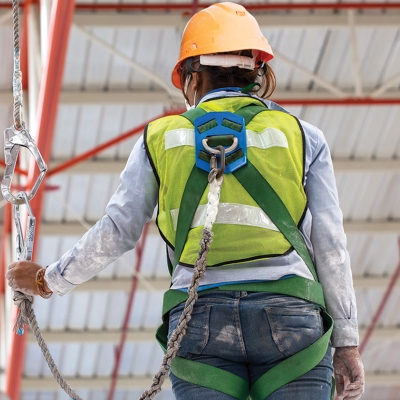
Safety harnesses and fall protection gear
In industries dealing with hazardous materials, such as asbestos or toxic waste, PPE training is vital not only for safety but also for regulatory compliance. Train staff not only on when to use PPE, but also how to inspect, store, and clean it. Include practical demonstrations, real-life examples, and regularly scheduled equipment checks to ensure functionality.
8. Simplify Incident Reporting Systems
Encouraging employees to report hazards or near misses can help prevent serious incidents—if the system is accessible and easy to use.
Digital platforms and mobile apps are replacing outdated paper forms. They allow workers to report unsafe conditions immediately, often anonymously. This increases participation and allows you to track trends over time.
Use the data you collect to:
-
Investigate root causes
-
Identify high-risk areas
-
Improve training or procedures
-
Recognize departments that reduce incidents
Transparency and responsiveness reinforce the message: safety is a shared responsibility, and everyone’s voice matters.
9. Stay Ahead of Regulatory Changes
OSHA, EPA, NFPA, and other governing bodies frequently update safety requirements. Falling behind not only jeopardizes compliance—it puts your workforce and reputation at risk.
Partnering with a knowledgeable safety consulting firm like OSEA ensures you're always up-to-date. Our team monitors regulatory changes and helps integrate them into your policies, training, and inspections without disrupting operations.
Why Choose OSEA?
Managing workplace safety internally can feel overwhelming—especially when you’re juggling production deadlines, regulatory changes, and budget constraints. Partnering with a trusted safety expert can make a significant difference.
At OSEA, we support clients across Buffalo, Syracuse, and Charlotte with:
-
Expert-led OSHA safety training
-
Customized accident prevention planning
-
On-site safety audits and industrial hygiene testing
-
Hazardous waste, asbestos, and environmental health consulting
-
Full-time safety staffing and regulatory compliance support
As a certified Woman-Owned Business Enterprise (WBE), we take pride in helping organizations build safer, more resilient workplaces—through personalized strategies and ongoing partnerships.
Start Preventing Accidents Today
Preventing workplace accidents isn’t about checking boxes—it’s about building a culture where safety is a shared value embedded in every role, every task, and every decision.
With OSEA as your safety partner, you gain access to the expertise, training, and tools you need to protect your workforce, avoid costly disruptions, and stay ahead of OSHA and industry regulations.