Conducting Effective Toolbox Talks
Friday, August 22, 2025 OSEA, Inc.
Conducting Effective Toolbox Talks: Best Practices for Safer Worksites
Toolbox talks—also called safety meetings, safety huddles, or tailgate talks—are short, focused discussions held on the jobsite to reinforce workplace safety. When conducted effectively, toolbox talks not only help prevent accidents but also strengthen your organization’s overall safety culture.
In this article, we’ll cover why toolbox talks are important, tips for making them more effective, and how they can improve workplace safety compliance.
What Are Toolbox Talks?
A toolbox talk is a brief safety meeting (usually 10–15 minutes) that takes place before a shift or task begins. The goal is to:
- Raise safety awareness about hazards specific to the day’s work.
- Reinforce OSHA safety standards and company policies.
- Engage workers in discussions about safe practices.
- Reduce incidents and near-misses through proactive communication.
Unlike formal training, toolbox talks are quick, conversational, and job-specific.
Why Toolbox Talks Matter for Workplace Safety
Regular safety talks create a stronger jobsite safety culture by:
- Encouraging employee participation in safety programs.
- Reducing workplace injuries and accidents.
- Building trust between supervisors and employees.
- Demonstrating leadership’s commitment to worker safety.
- Supporting OSHA compliance requirements.
When employees see that safety is consistently prioritized, they are more likely to follow safe practices and report hazards.
7 Tips for Conducting Effective Toolbox Talks
1. Keep It Short and On Point
The best toolbox talks are 10–15 minutes long. Focus on one key safety topic rather than overwhelming workers with multiple subjects.
2. Make It Job-Specific
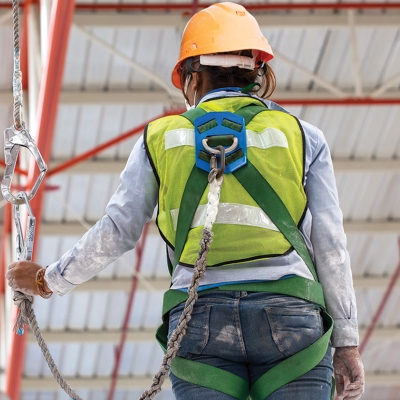
Tailor topics to current tasks. For example, if scaffolding will be used that day, discuss fall protection and scaffold safety. Relevance drives engagement.
3. Encourage Worker Involvement
Ask questions like:
- “What hazards do you see in today’s tasks?”
- “Has anyone experienced a near-miss in this area before?”
Interactive discussions make safety more memorable.
4. Use Real Examples and Stories
Relating the talk to a recent jobsite incident, near miss, or industry accident makes the message more impactful than general advice.
5. Be Consistent
Schedule toolbox talks regularly (daily or weekly). A consistent schedule reinforces that safety is always a priority.
6. Document Each Toolbox Talk
Record the topic, date, and attendees. This not only provides accountability but also supports OSHA audits and safety compliance tracking.
7. Show Leadership Commitment
When supervisors and managers actively participate, it reinforces the idea that safety is a shared responsibility across the workplace.
Popular Toolbox Talk Topics
To keep things fresh and relevant, rotate through timely topics such as:
- Fall protection and ladder safety
- Heat stress prevention
- Lockout/tagout procedures
- PPE requirements
- Hazard communication (HazCom)
- Electrical safety in the workplace
- Driving and vehicle safety
Toolbox talks are one of the most effective workplace safety tools because they are quick, practical, and easy to implement. By keeping them short, engaging, and relevant to daily tasks, you’ll reduce accidents, boost compliance, and strengthen your company’s overall safety culture.
A safe workplace starts with consistent communication—and toolbox talks are the perfect way to make safety a daily habit.