Carbon Monoxide Safety - What Every Workplace Needs to Know
Monday, November 24, 2025 OSEA, Inc.
Carbon Monoxide Safety: What Every Workplace Needs to Know
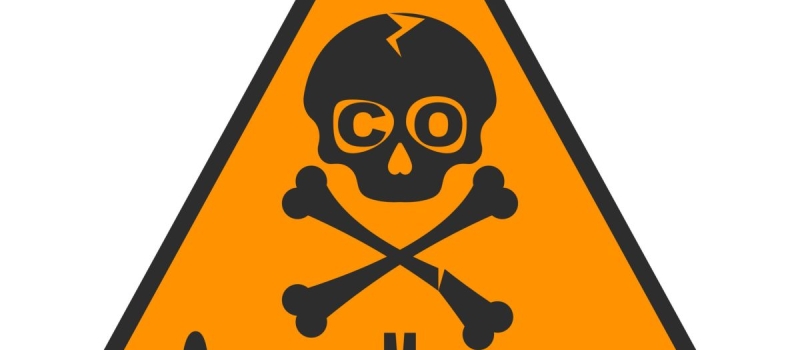
Carbon monoxide (CO) is often called the silent killer—and for good reason. It is a colorless, odorless, tasteless gas that can cause serious illness or death before anyone realizes something is wrong. While CO is commonly associated with home heating systems, it can also pose a significant risk in workplaces of all types, from offices to warehouses, workshops, and outdoor job sites.
This article highlights the essentials of CO safety so employees and employers can work with confidence and peace of mind.
What Is Carbon Monoxide?
Carbon monoxide is a toxic gas produced when fuels like natural gas, propane, wood, gasoline, or diesel burn incompletely. This means any workplace with fuel-powered equipment—generators, furnaces, forklifts, heaters, machinery, or vehicles—has the potential for CO exposure.
Why CO Is Dangerous
When inhaled, carbon monoxide enters the bloodstream and reduces the blood’s ability to carry oxygen. This can quickly lead to serious symptoms such as:
- Headache
- Dizziness
- Nausea or vomiting
- Confusion
- Weakness
- Loss of consciousness
Because symptoms mimic common illnesses, CO poisoning is often mistaken for fatigue or the flu—making early detection critical.
Common Workplace Sources of CO
- Fuel-burning forklifts and machinery
- Portable generators used during outages or on construction sites
- Gas-powered tools such as saws or compressors
- Vehicle exhaust in garages or loading bays
- Poorly maintained heating systems
- Blocked or inadequate ventilation near fuel-burning appliances
Even outdoor areas can accumulate CO under certain conditions, such as when equipment is used near enclosed or partially enclosed spaces.
Essential Safety Practices
1. Install and Maintain CO Detectors
Workplaces should install CO alarms in areas where fuel-burning equipment operates and near employee workstations. Detectors should be tested monthly and replaced according to manufacturer recommendations.
2. Prioritize Ventilation
Ensure work areas have sufficient fresh air flow. Exhaust fans, open doors, and duct systems help prevent CO buildup.
3. Perform Regular Equipment Maintenance
Heating units, boilers, machinery, and vehicles must be inspected and serviced regularly to keep emissions within safe limits.
4. Never Run Fuel-Powered Equipment Indoors Without Ventilation
This includes generators, pressure washers, and gas-powered tools. Even brief operation in closed areas can create dangerous CO levels.
5. Educate Employees
Everyone should know the signs of CO exposure, evacuation procedures, and how to report ventilation or equipment concerns.
6. Establish an Emergency Response Plan
If a CO alarm sounds or exposure is suspected:
- Evacuate immediately to fresh air
- Call emergency services
- Do not re-enter the space until cleared by a qualified professional
A Culture of Safety Protects Everyone
Carbon monoxide incidents are preventable with awareness, proper equipment maintenance, and a strong safety culture. By prioritizing CO safety, workplaces not only comply with regulations—they also protect their most valuable resource: their people.