Understanding Lead Safety Services for Construction Sites
Monday, December 29, 2025 OSEA, Inc.
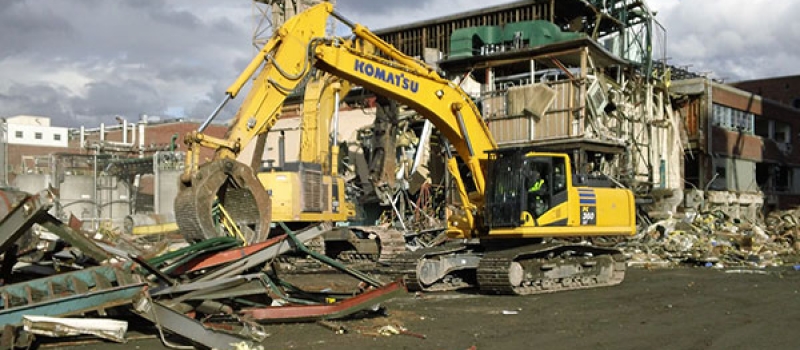
Lead exposure is a silent yet serious threat that often goes undetected, especially during renovation or demolition work on construction sites. It's a danger that can't be seen or smelled, but even small amounts can lead to severe health problems over time. Identifying lead hazards, testing for their presence, and implementing the correct safety measures are essential to protect workers and ensure compliance with regulations.
This blog covers key steps to safeguard your construction site from lead hazards, protect your workforce, and ensure regulatory compliance.
What Are Lead Safety Services for Construction Sites?
Lead safety services for construction sites encompass a variety of precautionary measures, training, assessments, and compliance strategies designed to protect workers from lead exposure. Lead is particularly dangerous in renovation, demolition, and maintenance activities, especially in older buildings. These services include:
-
Lead identification audits to locate areas with potential lead hazards.
-
Sampling (air, bulk, and water) to determine if lead is present and at what concentration.
-
Development of lead-safe work procedures to manage exposure risks.
-
OSHA-compliant worker training to ensure proper handling and safety protocols.
-
Onsite auditing and program development to maintain continuous safety throughout the project.
By implementing these services, construction companies ensure both the health of their workers and compliance with OSHA regulations.
Identifying Lead Hazards on Construction Sites
Lead is a silent danger that is not easily detected by sight or smell, making its identification all the more critical. For construction professionals, recognizing where lead is likely to be found is key to protecting workers and meeting compliance requirements.
Where is lead commonly found? Lead exposure often occurs in older buildings, particularly those built before the use of lead-based paint was banned. However, lead hazards can also be found in other materials, including:
-
Lead-based paint: A major concern during renovation or demolition, especially when the paint deteriorates or is disturbed by sanding, cutting, or abrasive blasting.
-
Solder in plumbing pipes: Older plumbing systems may contain lead solder that can contaminate drinking water when disturbed.
-
Plaster and roofing materials: Some older building materials, including certain types of plaster or roofing components, can also contain lead.
-
Contaminated soil: Lead from deteriorating paint or from past industrial uses can accumulate in the soil surrounding older buildings.
Recognizing these common sources helps prioritize areas for inspection and testing. For example, lead-based paint is often the most prevalent risk, particularly in older buildings. This makes renovation or demolition work in such buildings particularly high-risk.
Lead Safety Services Provided by OSEA
Lead is recognized by state and federal agencies as one of the leading environmental health risks for humans, particularly children. Though lead has been banned from consumer use since 1978, it continues to be used in certain commercial applications. OSHA continues to refine its enforcement of lead safety regulations, especially in construction and industrial environments where lead remains a hazard.
To address these challenges, OSEA offers a range of Lead Safety Services, which include sampling, training, onsite auditing, and program development for projects or processes dealing with lead. Whether working on a construction site or at a manufacturing facility, OSEA provides comprehensive lead safety support.
Key Lead Safety Services from OSEA
Lead Training
Proper training is the first step in ensuring that employees stay safe while working with or around lead. OSEA offers specialized training programs for construction workers, demolition crews, and facility maintenance staff. Our courses are designed to educate workers on the dangers of lead exposure and provide them with the knowledge they need to work safely, using the correct equipment and safety practices.
Lead Sampling
Lead can be found in various coatings, paints, and other applied products on a construction site or in a facility. The only way to accurately determine if lead is present, and at what concentration, is through sampling. This can include air sampling, water sampling, or bulk material sampling. OSEA can conduct these tests at your facility or construction site to ensure the safety of your workers and meet regulatory requirements. Just give us a call, and we’ll handle the rest.
Lead Program Development
Once lead is identified on your site, developing a safe work procedure and handling plan is crucial. OSEA specializes in helping clients develop tailored lead safety programs that ensure regulatory compliance while protecting workers. These plans can address the specific needs of a site, from construction projects to manufacturing facilities, and help ensure safe handling and disposal of lead-containing materials.
Lead Identification Audits
The first step in addressing lead hazards is to properly identify and locate any lead on the site. OSEA provides lead identification audits, where we conduct thorough inspections of suspected locations, including sampling both air and bulk materials. Once lead is identified, we work with you to develop a comprehensive work plan that minimizes risk and ensures safety on the job site.
Lead Awareness and Certification
At OSEA, we offer various training programs to help individuals understand lead exposure risks and comply with industry standards. These courses cover everything from general lead awareness to specialized certifications for renovation and repair professionals:
-
Lead Awareness Safety for General Industry: This online safety course is designed to educate participants about the dangers of lead and exposure control methods. Topics include an introduction to lead in the workplace and best practices for controlling lead exposure. It is ideal for anyone working in environments where lead may be present.
-
Lead Renovator (RRP) Initial Certification: Contractors play a crucial role in preventing lead poisoning. Ordinary renovation and maintenance activities can generate toxic lead dust that poses a serious health risk to workers, customers, and even children. To comply with the EPA’s Renovation, Repair, and Painting (RRP) Rule, contractors must complete this 8-hour training course. The course covers the importance of containment and the use of lead-safe work practices. It is required for professionals working on pre-1978 residential properties or child-occupied facilities, including schools and daycares. Upon completion, participants receive a certificate valid for five years.
-
Lead Renovator (RRP) Refresher Certification: This 4-hour training is for individuals seeking to renew their lead certification. The course covers how to test for lead-based paint, perform clearance testing, and maintain the required records for compliance. This refresher training must be taken every five years, ensuring that workers stay updated on lead-safe practices. It includes hands-on activities and concludes with a final exam. Upon successful completion, participants receive a renewal certificate valid for another five years.
These training programs are essential for maintaining a safe working environment and ensuring compliance with federal lead regulations. Whether you are working in construction, demolition, maintenance, or property management, OSEA’s lead safety training programs help protect workers and ensure that safety standards are met.
Choosing the Right Lead Safety Service Provider
When selecting a lead safety service provider, it’s essential to choose one with experience, certifications, and the right tools to manage lead hazards effectively. OSEA offers certified professionals with expertise in identifying lead hazards, conducting safety audits, and developing lead safety programs.
By partnering with OSEA, you gain access to:
-
Advanced testing and sampling tools like XRF analyzers and lab testing.
-
Expert training for your workers on proper PPE usage and safety procedures.
-
Tailored lead safety programs that meet regulatory requirements and protect workers.
Protecting Workers and Ensuring Compliance
Lead exposure remains a serious risk on construction sites and in industrial settings. Ensuring worker safety and regulatory compliance requires a proactive approach to lead hazard identification, testing, and control. OSEA’s Lead Safety Services are designed to help you protect your workers, meet regulatory requirements, and maintain a safe, compliant work environment.
From identifying lead hazards to providing comprehensive training and developing customized safety programs, OSEA offers the expertise and support needed to manage lead safety effectively on any job site.
For more information on our Lead Safety Services, or to schedule a consultation, contact OSEA today. Let us help you create a safer, compliant work environment for your team.