Top Workplace Safety Tips for Construction & Heavy Equipment
Thursday, August 21, 2025 OSEA, Inc.
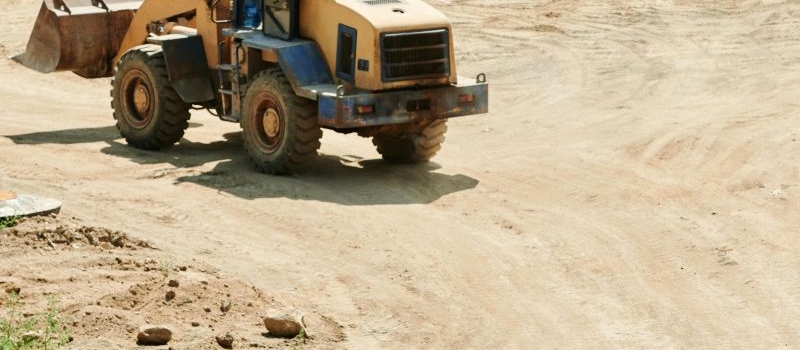
In the world of construction, heavy equipment is indispensable for completing projects efficiently. However, these powerful machines come with inherent risks. It’s not just about having the right tools; it’s about ensuring that safety is integrated into every stage of the operation. Without proper safety measures, even the best equipment can lead to accidents that disrupt operations and harm workers.
That's why construction teams need to prioritize safety just as much as meeting deadlines. Let’s explore some essential safety tips to protect your team while operating heavy machinery on job sites.
Safety Training for Equipment Operators
Training is the foundation of safety in any workplace, particularly in environments that involve heavy equipment. For construction teams, all operators must undergo rigorous safety training. Not only does this ensure that operators understand the mechanics of machinery operation, but it also provides them with knowledge about potential hazards and emergency response strategies.
OSEA offers over 55 specialized safety training courses tailored to meet OSHA compliance standards. These courses go beyond theoretical knowledge; they are hands-on and designed to prepare operators for the unique challenges they may face on-site. Proper training reduces the risk of accidents and ensures that operators are equipped to respond effectively in an emergency.
Certification Requirements: A Necessity, Not a Formality
One of the most critical aspects of training is certification. Operators must meet the certification requirements established by OSHA or other recognized authorities. Certification isn’t just a formality—it’s a legal requirement that ensures operators are knowledgeable and competent in handling equipment. This reduces the likelihood of accidents caused by improper use of machinery, which can lead to severe injuries or even fatalities.
By focusing on certification, construction companies demonstrate their commitment to safety and compliance, reducing the risk of costly penalties from regulatory bodies. Moreover, properly certified operators are significantly less likely to be involved in accidents compared to their untrained counterparts, as highlighted by the Bureau of Labor Statistics.
Essential Protective Gear for Construction Workers
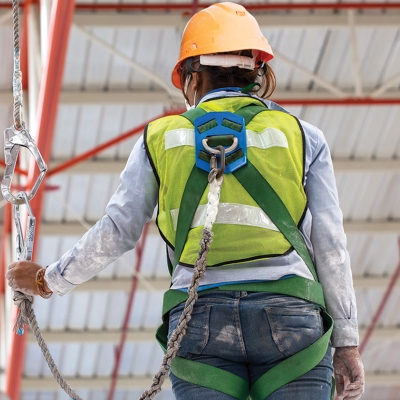
Safety gear is non-negotiable when it comes to working on construction sites. Each piece of Personal Protective Equipment (PPE) plays a vital role in safeguarding workers from potential hazards. The right protective gear reduces the risk of injuries and creates a culture of safety that permeates throughout the team. Let’s take a look at some of the most critical PPE items:
-
Hard Hats: Protect workers' heads from falling objects and impact injuries. Hard hats are a must when working around heavy machinery and materials.
-
Steel-Toed Boots: These boots prevent crushing injuries to feet and toes, which are common in construction environments where heavy equipment is in use.
-
High-Visibility Vests: Ensuring workers are visible on-site reduces the risk of accidents, especially in areas where machinery operates.
-
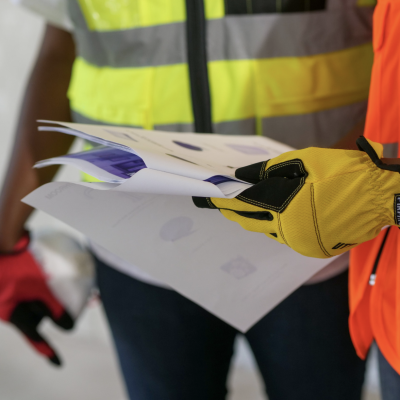
Safety Gloves: Protect hands from cuts and abrasions while handling sharp materials or machinery parts.
-
Hearing Protection: Construction sites can be noisy, and prolonged exposure to loud equipment sounds can lead to hearing damage. Earplugs or earmuffs are essential for hearing protection.
-
Eye Protection: Safety goggles protect against flying debris, chemicals, and dust, ensuring that workers’ eyes remain safe.
By ensuring every team member is equipped with the proper PPE, construction companies create a safer work environment and foster a culture where safety is a shared responsibility.
Routine Inspections and Equipment Maintenance
Regular maintenance and daily inspections of heavy machinery are essential for identifying potential issues before they escalate. Every day, the construction site is buzzing with activity, and each piece of machinery is crucial to the project’s success. Regular equipment inspections ensure that machinery operates smoothly and safely.
Here’s how to integrate equipment maintenance into daily routines:
-
Visual Inspections: Start by conducting a thorough visual check for any signs of wear and tear. Look for cracks, leaks, or anything that might indicate that the machinery isn’t in perfect working condition.
-
Functionality Tests: After the visual inspection, perform a functionality test. Are the brakes working properly? Do the gears shift smoothly? Are there any strange sounds that might indicate malfunctioning parts?
-
Document the Inspections: Keeping a log of daily inspections is essential. It not only provides a history of the equipment’s condition but also serves as a useful reference in case of any future issues. This documentation helps track the machine's performance over time and ensures that maintenance is carried out promptly.
Clear Communication for Safer Operations
Effective communication is key to maintaining a safe work environment. It’s not enough to just give instructions; team members must have clear channels of communication to ensure everyone is aware of potential hazards. Miscommunication is a significant factor in workplace accidents, so it’s crucial to establish effective communication methods on the job site.
-
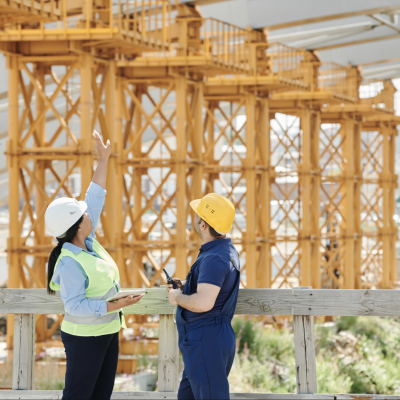
Radio Communication: Two-way radios are a must-have on busy construction sites. Radios allow team members to communicate quickly and clearly, even in noisy environments. When an emergency or a change in operations necessitates immediate action, this is especially crucial.
-
Hand Signals: In areas with high noise levels, verbal communication might be ineffective. Hand signals are essential for ensuring that operators and ground crew members understand each other without the need for spoken words.
-
Regular Safety Briefings: Daily safety meetings are a fantastic way to reinforce the importance of safety protocols. These meetings offer an opportunity for team leaders to share updates, discuss potential risks, and remind workers of safety procedures.
A well-coordinated team that communicates effectively on-site is less likely to make mistakes and more likely to prevent accidents before they occur.
Risk Assessment and Mitigation Strategies
Conducting a thorough risk assessment is one of the most effective ways to identify and mitigate potential hazards on the job site. Regular risk assessments help construction teams stay ahead of dangers that could disrupt operations or cause harm.
Here are some practical steps to conduct effective risk assessments:
-
Identify Potential Hazards: Walk the site to identify dangers that could pose risks to workers. This includes machinery malfunctions, environmental hazards, or even unsafe working conditions.
-
Evaluate the Risks: Once hazards are identified, evaluate their potential impact and likelihood. This helps prioritize which risks need immediate attention and which can be addressed in the longer term.
-
Develop Mitigation Plans: After evaluating risks, develop action plans to minimize or eliminate them. This could include introducing additional safety measures, providing training, or adjusting work schedules.
By continuously assessing risks and adjusting safety protocols, construction teams can create a safer working environment that minimizes the likelihood of accidents and injuries.
Building a Culture of Safety
Safety must be ingrained in every aspect of a construction company’s culture. Leaders must lead by example, and workers should be encouraged to adopt safe practices. A company’s commitment to safety has a direct impact on the overall work environment.
-
Leadership Commitment: When managers and supervisors prioritize safety, workers are more likely to follow suit. Visible leadership commitment to safety includes adhering to safety protocols, wearing PPE, and being actively involved in safety training.
-
Incentive Programs: Incentivizing safe behavior can also help foster a culture of safety. Rewarding compliance with safety rules promotes accountability for one's own and others' safety.
-
Continuous Training: Safety protocols are constantly evolving. Regular training ensures that workers are up-to-date on the latest best practices and regulatory changes. OSEA’s Workforce Tracker is a great tool for tracking training progress and ensuring that employees stay compliant.
A culture of safety reduces accidents, boosts morale, and enhances productivity.
Conclusion
In conclusion, one should never take workplace safety on construction sites with heavy equipment for granted. Through comprehensive training and adherence to certification standards, Construction teams can significantly reduce the likelihood of accidents by using proper PPE, performing routine maintenance, communicating effectively, and conducting regular risk assessments. By fostering a culture of safety, where every team member takes responsibility, companies can protect their workers and ensure smooth, successful project completions.
At OSEA, we are committed to helping construction teams stay compliant and safe. Get started with a safety consultation today!