The Importance of Hands-On Safety Training in High-Risk Jobs
Thursday, August 21, 2025 OSEA, Inc.
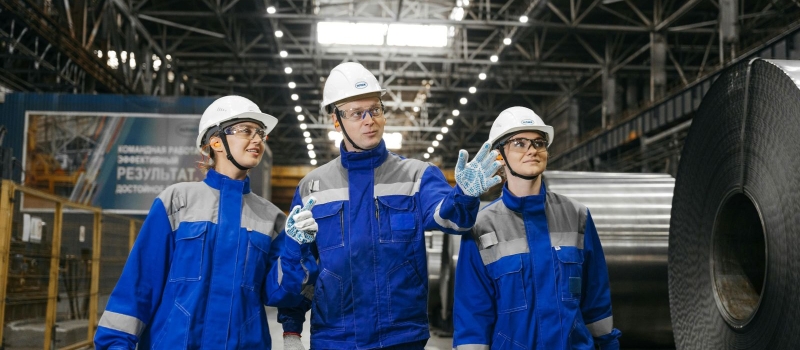
In high-risk jobs, safety should always be a priority. Workers in industries such as construction, manufacturing, and chemical processing face environments where danger is a constant threat—from heavy machinery to hazardous chemicals. In such industries, safety training is not a mere formality; it is a necessity. However, the most effective safety training goes beyond theoretical knowledge; it requires hands-on experience.
In this article, we will explore why hands-on safety training is essential, the benefits it brings to both employees and employers, and how it can significantly reduce accidents and improve workplace efficiency.
Why Hands-On Safety Training is Critical
While reading about safety protocols and regulations is necessary, it doesn’t provide the practical experience needed to handle real-world hazards. Hands-on safety training goes a step further by equipping workers with real skills in a controlled environment that mirrors actual workplace conditions. This type of training allows workers to actively engage with equipment, safety procedures, and emergency scenarios, helping build muscle memory and boosting confidence.
Consider the example of a construction worker. Rather than simply learning how to operate heavy machinery by reading manuals, they learn to operate it in a training setting under controlled conditions, simulating failures and emergencies. This practical experience develops instinctive responses, which are crucial in emergencies when prompt decision-making is required.
Additionally, OSHA (Occupational Safety and Health Administration) studies indicate that companies that incorporate hands-on training into their safety programs see a significant reduction in workplace accidents—sometimes as much as 30%. This improves safety and boosts employee morale, reduces injuries, and creates a more productive and efficient workforce.
Key Benefits of Hands-On Training
1. Better Retention of Safety Procedures
The primary benefit of hands-on training is improved retention. Engaging in realistic simulations helps workers retain safety protocols more effectively, leading to better performance in high-pressure situations. By practicing in a controlled environment, workers develop the muscle memory and decision-making skills necessary to respond confidently in emergencies.
2. Enhanced Decision-Making Skills
Practical safety training doesn’t just teach workers the right actions to take—it also sharpens their decision-making skills. Employees can practice making decisions in real time, under pressure, through hands-on training. They learn to assess a situation, recognize hazards, and decide the best course of action, often with little time to think.
Scenario-based exercises help workers develop a proactive mindset. This builds confidence and improves their ability to make quick and accurate decisions in dangerous situations.
3. Improved Regulatory Compliance
In addition to making the workplace safer, hands-on training ensures compliance with OSHA regulations. OSHA mandates that certain industries provide specific types of safety training for employees. Hands-on training sessions enable companies to meet these standards more effectively while fostering an environment where employees are more likely to follow safety procedures correctly.
By regularly conducting hands-on training, companies reduce the risk of failing safety audits, facing penalties, or experiencing workplace accidents that could result in costly lawsuits.
Building a Proactive Safety Culture
Not only does hands-on safety training reduce accidents, but it also fosters a proactive safety culture. Regular training in real-world settings fosters a strong safety-first mindset in employees. This mindset extends beyond simply following rules and regulations; it involves actively identifying hazards and addressing them before they lead to accidents.
For example, consider a company with regular safety drills that include team discussions about potential hazards. When employees are encouraged to speak up and share their experiences from these exercises, it creates a collective understanding of safety issues. They are more likely to collaborate, identify risks, and implement preventative measures. This approach transforms workplace safety from a reactive strategy to a preventative one.
The Role of Technology in Safety Training
While hands-on training is vital, emerging technologies also play an important role in enhancing safety. Virtual Reality (VR) and Augmented Reality (AR) have made it possible for workers to train in lifelike simulations without exposing them to real-world risks. For example, workers in high-risk environments, such as mining or construction, can practice navigating complex machinery or responding to emergencies using VR technology.
How VR and AR Benefit Safety Training:
-
Risk-free environment: Employees can engage in hazardous scenarios without the risk of injury.
-
Repeatable simulations: Workers can practice dangerous situations multiple times until they feel confident in their abilities.
-
Realistic scenarios: VR and AR simulate scenarios that are difficult to replicate in the real world, such as confined-space rescues or large-scale chemical spills.
As these technologies continue to improve, the ability to offer immersive learning experiences that mirror actual conditions will become even more accessible and cost-effective.
Techniques for High-Risk Job Safety
In addition to hands-on training, several techniques can be employed to further enhance safety in high-risk environments. These techniques complement hands-on experiences and create a comprehensive approach to workplace safety.
1. Scenario-Based Training
Scenario-based training allows workers to face emergencies in a controlled setting, such as responding to a chemical leak or machinery breakdown. These exercises help workers develop critical thinking and decision-making skills that will serve them well in real-life emergencies.
2. Mentorship Programs
Pairing inexperienced workers with seasoned professionals in a mentorship program ensures that new employees benefit from hands-on learning in real time. Mentors can provide practical advice and offer insights based on their years of experience, helping to instill a safety-oriented mindset in the next generation of workers.
3. Regular Safety Drills
Just as schools conduct fire drills, workplaces should conduct regular safety drills to reinforce quick reactions in emergencies. These drills should be frequent, consistent, and as realistic as possible to ensure that employees are always prepared to respond efficiently to dangerous situations.
Impact on Efficiency and Workplace Safety
Integrating hands-on training into high-risk jobs does more than improve safety—it enhances workplace efficiency. Companies that implement hands-on training see significant improvements in task efficiency and reductions in error rates. When workers are more confident in their abilities, they perform tasks faster with fewer mistakes. This leads to increased productivity, fewer accidents, and a more streamlined operation overall. Additionally, employees who feel secure in their knowledge of safety procedures are more likely to engage with their tasks confidently, boosting job satisfaction and morale.
Equipping Employees for Hazardous Tasks
High-risk jobs present unique challenges where the unexpected can occur at any time. Workers who have undergone hands-on training are better prepared for these challenges.
For example, electricians who undergo hands-on training, including live-wire exercises, are better equipped to manage electrical faults and respond quickly in emergencies. Similarly, welders who practice under varying conditions are more likely to handle unexpected complications effectively.
This type of training creates a workforce that is well-prepared and highly skilled, ready to take on the demanding tasks required in high-risk jobs.
Developing a Comprehensive Safety Program
A comprehensive safety program is the foundation of an effective safety culture, particularly in high-risk environments. Companies should begin by conducting a thorough risk assessment to identify potential hazards. From there, training modules should be created to address these specific risks, with regular updates and revisions to keep the content fresh and relevant.
Companies can benefit from working with trusted partners like OSEA, which offers a wide range of specialized courses in high-risk industries. These courses help companies ensure that their safety programs meet regulatory standards while empowering employees with the skills they need to remain safe on the job.
Conclusion
High-risk jobs require hands-on safety training. By providing employees with the opportunity to practice safety protocols in a controlled environment, companies reduce the likelihood of accidents, boost employee morale, and foster a culture of safety. This type of training not only ensures compliance with regulations but also enhances workplace efficiency, making it an invaluable investment for organizations.
If you’re looking to enhance your company’s safety programs, consider incorporating hands-on training into your workplace safety strategy. The results will be self-evident, demonstrating a decrease in accidents, an increase in productivity, and a workforce that feels more confident and empowered to manage high-risk tasks.
Don’t wait until it’s too late! Ensure your workforce is fully prepared with our hands-on training programs. Contact OSEA today for tailored solutions.