How to Identify and Manage Workplace Hazards Effectively
Monday, December 1, 2025 OSEA, Inc.
Ensuring employee safety and well-being should always be a top priority for any organization. Effective hazard identification and management are key to maintaining a safe environment, reducing accidents, ensuring regulatory compliance, and enhancing operational efficiency.
At Occupational Safety & Environmental Associate (OSEA), we provide industry-leading safety solutions, including OSHA compliance, site safety management, and industrial hygiene services. In this guide, we’ll walk you through the essential steps to identify and manage workplace hazards, helping you create a safer, more compliant workplace.
Why Workplace Safety Matters
Workplace hazards are a constant concern for businesses across various industries. From construction sites to office environments, every workplace has unique risks. If not properly identified and managed, these hazards can lead to serious accidents, regulatory fines, and damage to a company's reputation.
Effective hazard management not only keeps employees safe but also helps businesses avoid costly disruptions. It can lead to reduced insurance premiums, lower absenteeism rates, higher productivity, and a stronger reputation among clients and employees alike.
Step 1: Conduct Regular Workplace Inspections
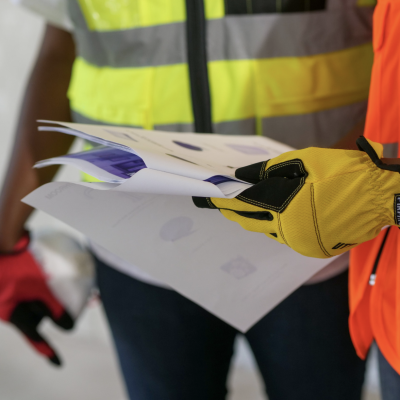
The first and most important step in hazard identification is conducting regular workplace inspections. This process helps uncover both obvious and hidden hazards that might put employees at risk. Whether your business is in construction, manufacturing, or office work, ensuring a thorough inspection is key to preventing accidents and meeting safety standards.
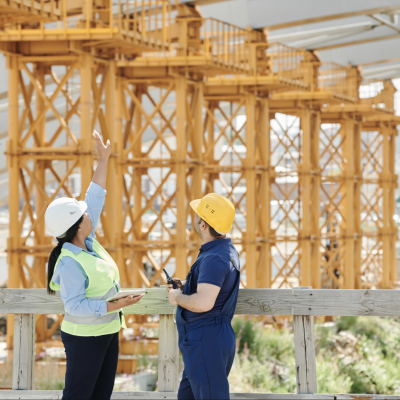
How OSEA Can Help: OSEA offers site safety management services to provide comprehensive safety inspections tailored to your industry. Our experts will conduct safety audits to identify hazards such as:
-
Physical Hazards: Loose wires, malfunctioning machinery, wet floors, and poor lighting.
-
Chemical Hazards: Unsafe chemical storage, improper labeling, and exposure to toxic substances.
-
Ergonomic Hazards: Poor workstation setup leading to repetitive strain injuries.
-
Psychological Hazards: Stress, harassment, or unsafe work culture leading to burnout.
By working with OSEA, you can rely on regular safety inspections conducted by trained professionals, ensuring OSHA compliance and reducing risks.
Step 2: Involve Employees in Hazard Identification
Employees are often the first to notice hazards that might not be immediately obvious during formal inspections. Engaging your team in the hazard identification process is an essential strategy for a safer workplace. Workers are familiar with day-to-day operations and are likely to spot issues such as poorly maintained equipment, unsafe procedures, or potential ergonomic problems.
Actions to Take:
-
Employee Surveys and Feedback: Regularly distribute safety surveys to gather feedback on potential hazards.
-
Safety Committees: Establish a committee made up of employees from various departments to conduct hazard assessments together.
-
Safety Meetings: Encourage open communication during regular safety meetings where employees can raise concerns and discuss potential hazards.
Creating a culture of safety where employees feel empowered to speak up is crucial to identifying risks early and fostering a safety-conscious environment.
Step 3: Review Incident Reports
Accident and near-miss reports are invaluable tools for identifying patterns and trends in workplace safety. By reviewing past incidents, you can uncover recurring hazards and adjust your safety protocols accordingly. Incident reports not only help you identify immediate dangers but also provide insight into how well your safety measures are working.
Key Actions to Take:
-
Track Past Incidents: Use software like OSEA’s Workforce Tracker to track incidents and near-misses. This tool helps organizations identify safety trends and take corrective action.
-
Root Cause Analysis: For each incident, conduct a root cause analysis to understand the underlying issues and prevent them in the future.
-
Document Findings: Keep detailed records of all incidents and the steps taken to resolve them, ensuring compliance with safety regulations.
Learning from past incidents is crucial to preventing future accidents. By using OSEA's incident tracking tools and safety management systems, businesses can stay on top of their safety performance.
Step 4: Use Hazard Identification Tools
A structured approach to hazard identification involves utilizing tools like Job Hazard Analysis (JHA). This method dissects tasks into individual steps to identify potential hazards, assess their severity, and implement appropriate controls.
JHA is a systematic process that breaks down each job or task into specific steps to identify potential hazards associated with each step. This analysis helps in evaluating the risk of hazards concerning the employee(s), the task, the tools, and the work environment. By identifying hazards early, companies can implement effective controls to reduce the risk of injury or illness.
Benefits of JHA:
-
Enhanced Safety Awareness: Identifies potential hazards, leading to increased safety consciousness among workers.
-
Tailored Risk Management: Allows for the development of specific safety protocols for each task, ensuring that control measures are tailored to the unique risks of the job.
-
Regulatory Compliance: Helps ensure that workplaces meet safety standards and comply with regulatory requirements, reducing liability risks.
OSEA offers industrial hygiene services and specialized safety consultations to assist businesses in implementing JHA effectively. Their expertise ensures that hazard analyses are thorough and actionable, covering every aspect of workplace operations. By applying JHA, businesses can identify overlooked risks and develop strategies that enhance workplace safety and regulatory compliance.
Step 5: Conduct a Comprehensive Risk Assessment
Once you’ve identified potential hazards, the next step is conducting a risk assessment to evaluate their severity and likelihood. Not all hazards pose the same level of risk, so prioritizing them is crucial for effective safety management.
A risk matrix is a useful tool that helps businesses assess and prioritize hazards based on two factors:
-
Severity of Harm: How severe would the consequences be if the hazard caused an incident?
-
Likelihood of Occurrence: How likely is the hazard to occur?
By scoring hazards on these two dimensions, you can prioritize which ones to address first. For example, if a certain piece of machinery is likely to malfunction and cause serious injury, it should be addressed immediately.
OSEA’s Services: OSEA can assist in conducting risk assessments tailored to your specific workplace. By partnering with OSEA, you can ensure that the most critical hazards are managed first, reducing the overall risk to employees and improving workplace safety.
Step 6: Implement Effective Hazard Prevention Strategies
Once you’ve assessed the risks, the next step is to implement appropriate controls to reduce or eliminate hazards. The Hierarchy of Controls is a proven framework for selecting the most effective measures to address risks.
Hierarchy of Controls:
-
Elimination: Remove the hazard completely (e.g., eliminating a toxic chemical from the workplace).
-
Substitution: Replace the hazard with a less risky alternative (e.g., using water-based solvents instead of flammable ones).
-
Engineering Controls: Modify the work environment or equipment to reduce exposure (e.g., installing machine guards or ventilation systems).
-
Administrative Controls: Change work procedures to reduce risk (e.g., rotating employees to prevent repetitive stress injuries).
-
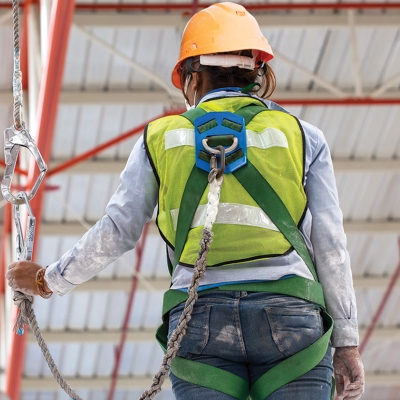
Personal Protective Equipment (PPE): As a last line of defense, provide PPE such as gloves, goggles, or respirators to protect workers from exposure.
How OSEA Can Assist: OSEA provides site safety audits and industrial hygiene services to help you implement these controls effectively. Whether it’s improving ventilation, providing training, or ensuring proper PPE use, OSEA’s team can assist in making your workplace safer.
Step 7: Provide Ongoing Safety Training
Training employees is crucial to ensuring that they have the knowledge and skills to handle workplace hazards effectively. OSEA offers over 55 OSHA-compliant safety courses and specialized training programs, including:
-
General Safety Training: Covers basic safety procedures and emergency protocols.
-
Job-Specific Safety Training: Tailored to specific roles, such as construction, manufacturing, or office work.
-
Specialized Training: For high-risk activities like confined space entry, hazardous material handling, and machinery operation.
OSEA’s Training Programs: Through live webinars and in-person sessions, OSEA helps businesses ensure their employees are well-versed in safety protocols. Regular training keeps employees up to date on new regulations and best practices, reducing workplace risks.
Step 8: Monitor and Review Safety Measures
Safety is an ongoing process, and continuous monitoring is essential to ensure that controls remain effective. Regular safety audits and inspections, as well as employee feedback, help organizations track their safety performance and identify areas for improvement.
Key Actions:
-
Regular Safety Audits: Conduct periodic audits to ensure that safety measures are still relevant and effective.
-
Real-Time Monitoring Systems: Implement monitoring systems to provide real-time feedback on hazard exposure, such as gas detectors in chemical plants or noise level meters in factories.
-
Employee Feedback: Encourage employees to report potential hazards and share suggestions for improving safety.
By partnering with OSEA, businesses can ensure ongoing safety through comprehensive audits, real-time monitoring, and employee engagement.
Team Up with OSEA to Enhance Safety and Achieve Compliance in the Workplace
Identifying and managing workplace hazards is a critical component of maintaining a safe, productive, and compliant work environment. By following the steps outlined above, conducting thorough inspections, involving employees, using hazard identification tools, assessing risks, implementing preventive strategies, and providing ongoing training, businesses can minimize risks and protect their most valuable asset: their employees.
OSEA’s comprehensive services, including safety audits, training programs, and industrial hygiene services, are designed to help organizations stay compliant with regulations while maintaining a safe and healthy work environment.
Don't wait for an accident to happen, get in touch with OSEA now to protect your workforce.