
Emergency Preparedness - Why It Matters
Monday, November 24, 2025 OSEA, Inc.
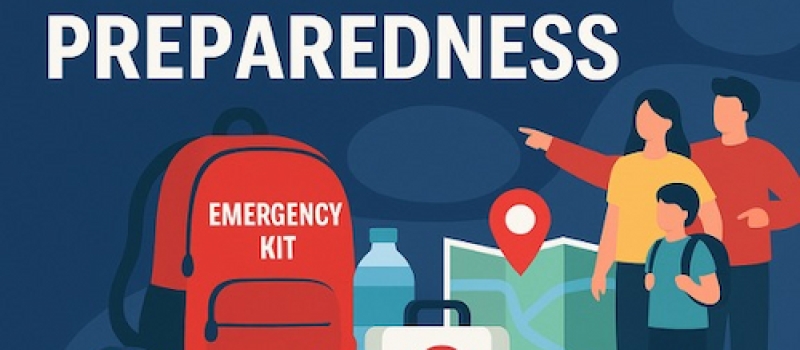
Emergency Preparedness: Why It Matters—And How Every Workplace Can Improve
Emergencies rarely announce their arrival. Whether it’s a fire, severe weather, a medical incident, a cybersecurity breach, or an unexpected power outage, workplaces must be ready to respond quickly and confidently. Emergency preparedness isn’t just a compliance box to check—it’s a cornerstone of employee safety, operational resilience, and organizational responsibility.
Why Emergency Preparedness Is Essential
A strong preparedness program helps organizations:
- Protect employees by reducing confusion, panic, and preventable injuries.
- Maintain business continuity through planned responses and quicker recovery times.
- Reduce liability and operational risk with documented procedures and training.
- Build a culture of safety where employees feel valued and empowered.
Prepared workplaces experience fewer disruptions, lower long-term costs, and stronger team cohesion when incidents occur.
Core Elements of an Effective Emergency Plan
1. Clear Communication Protocols
During an emergency, communication can be the difference between chaos and control. Organizations should establish:
- Notification systems (text alerts, intercom announcements, email blasts)
- A chain of command for decision-making
- Guidance on how employees should report emergencies
Consistent messaging prevents misinformation and helps employees act quickly.
2. Evacuation and Shelter-in-Place Procedures
Every workplace should have well-defined routes and plans for:
- Fire evacuations
- Severe weather shelter areas
- Lockdowns or secure-in-place situations
These procedures must be reviewed regularly to account for new employees, building renovations, or updated regulations.
3. Emergency Supplies and Equipment
Stocking and maintaining supplies ensures readiness. This may include:
- First aid kits
- Automated External Defibrillators (AEDs)
- Flashlights, radios, and backup power
- Emergency food and water for critical environments
- Cybersecurity incident response tools
Supplies only matter if they’re accessible and employees know how to use them.
4. Employee Training and Drills
Training turns plans into practiced responses. Effective programs include:
- Annual fire and evacuation drills
- CPR/AED training for designated responders
- Cybersecurity awareness training
- Hands-on workshops for operating safety equipment
Regular drills help employees stay calm and confident under pressure.
Common Gaps in Workplace Preparedness
Many organizations unintentionally overlook important areas, such as:
- Outdated contact lists or building maps
- Lack of training for hybrid or remote workers
- Infrequent equipment inspections
- Plans that don’t account for employees with disabilities
- No designated crisis communication team
Assessing these vulnerabilities now improves readiness when it truly counts.
Building a Culture of Preparedness
Emergency preparedness is most effective when it becomes part of daily culture. Leaders can promote this by:
- Encouraging employees to speak up about safety concerns
- Recognizing teams that demonstrate strong safety practices
- Integrating preparedness into onboarding and performance expectations
- Sharing success stories of preparedness in action
Preparedness isn’t a one-time project—it's an ongoing commitment.
Final Thoughts
Emergencies may be unpredictable, but a thoughtful, well-practiced plan ensures your workplace can respond quickly, keep people safe, and recover smoothly. Investing in preparedness today protects your team and strengthens your organization’s resilience for the future.