Choose the Right Workplace Safety Program for Your Industry
Friday, August 22, 2025 OSEA, Inc.
Workplace safety is a critical aspect of any organization. It should never be an afterthought; it must be an integral part of your business operations. Whether your company operates in construction, healthcare, manufacturing, or another industry, identifying and addressing the unique hazards you face is essential for the well-being of your team.
A well-designed workplace safety program doesn’t just prevent accidents—it fosters a safety culture where employees feel empowered to look out for each other. However, choosing the right program can feel overwhelming due to the multitude of factors to consider.
This guide simplifies the process by breaking down key best practices and essential steps to help you select a workplace safety program customized for your operational risks.
Choosing the Ideal Safety Program
To build a successful workplace safety program, the first step is understanding your specific needs. This begins with a thorough assessment of your work environment. It’s not just about ticking boxes or completing forms; it’s about taking a snapshot of your workplace’s safety climate. Key factors such as employee feedback, historical incident data, and industry-specific norms will shape your safety strategy. Think of this assessment as the foundation for your safety program—without it, any measures you implement may be misaligned with your actual risks.
Risk Factors Assessment
-
Identify Common Injuries and Incidents: Look at the history of injuries within your specific industry. What incidents have occurred? Are they preventable?
-
Engage Employees for Insights: Conduct surveys and interviews with employees and management to gather their views on potential hazards. Your employees are often the first to notice risks and will provide valuable insight.
-
Review Past Incident Reports: Analyze previous accident reports and near-miss data to identify recurring hazards that might not be immediately visible.
Understanding these risks will help guide your decision in choosing a safety program that best suits your needs.
Comparing Program Types
As you explore safety programs, you’ll encounter two main options: standard programs designed for broad applicability and customized solutions that address your specific industry challenges. While standard programs offer general guidance and are relatively simple to implement, they may not fully address the unique hazards of your industry.
On the other hand, tailored programs provide targeted solutions that closely align with the needs and operational realities of your business.
Choosing a safety program is not merely about compliance; it’s about fostering a culture where safety is a shared responsibility. Engaging employees in this process is crucial—an informed workforce is more likely to actively participate in safety initiatives, leading to better morale and productivity.
Assessing Industry-Specific Hazards
Every industry has its unique safety risks, and recognizing these is key to an effective safety program. For example:
-
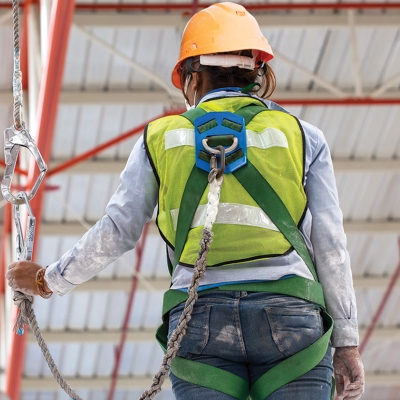
Construction Industry: This industry is rife with dangers such as falls, electrical hazards, and heavy machinery accidents. Falls, in particular, account for a significant percentage of construction-related fatalities. By implementing targeted strategies like comprehensive fall protection plans, companies can significantly reduce these risks.
-
Healthcare Industry: Healthcare workers face biological hazards, manual handling injuries, and workplace violence. It’s vital to have a safety program that includes training on personal protective equipment (PPE), sanitation protocols, and strategies to prevent violence. Proper training in handling patients safely can prevent injuries like musculoskeletal strains and falls.
-
Manufacturing Industry: Risks in manufacturing include machinery accidents, chemical exposure, and repetitive strain injuries. Effective programs incorporate machine guarding and ergonomics training to protect workers from these dangers, improving overall morale and productivity.
By understanding these specific hazards, you’ll be better equipped to select the most relevant safety measures for your industry while ensuring compliance with regulatory standards.
Navigating Compliance and Regulations
In addition to addressing industry-specific risks, a safety program must ensure compliance with federal regulations, such as those set by the Occupational Safety and Health Administration (OSHA). These standards cover a wide range of topics, including workplace safety training, machinery operation, and exposure to hazardous materials.
However, OSHA regulations are not one-size-fits-all. They vary by industry, with specific rules for different sectors. For example, OSHA’s 1910 standards apply to general industry, while construction adheres to the 1926 standards. This differentiation ensures that safety protocols are tailored to the unique risks each industry faces.
But compliance doesn’t stop with OSHA. Many industries have additional regulations tailored to their specific risks. Healthcare, for instance, must also adhere to guidelines from the Centers for Disease Control and Prevention (CDC), particularly regarding infection control. Similarly, manufacturing has specialized rules governing machinery safety and ergonomics.
Remaining compliant is crucial to avoid penalties and, more importantly, to ensure worker safety. To navigate these complexities, companies can utilize resources such as OSEA’s safety audits, training materials, and compliance guides. These resources act as your compass to ensure you’re on the right track.
Implementing Effective Safety Procedures
Once you’ve chosen the right program, it’s important to implement it effectively. Establishing clear safety procedures not only reduces workplace injuries but also helps cultivate a culture where safety is prioritized. A safe working environment boosts morale, increases productivity, and encourages employees to follow protocols consistently.
Key steps for implementing effective safety procedures include:
-
Developing Standard Operating Procedures (SOPs): SOPs outline the step-by-step actions required to complete tasks safely. For instance, if your company works with hazardous materials, your SOPs should detail proper handling and storage methods. Clear and concise SOPs serve both as a guide and a training tool for employees.
-
Establishing an Emergency Response Plan: This plan should include evacuation procedures, emergency contacts, and first aid protocols. It’s essential to involve employees in creating and testing this plan to ensure it addresses potential challenges specific to your workplace.
-
Conducting Regular Safety Drills: Safety drills help employees practice emergency scenarios and reinforce adherence to safety protocols. They also give employees confidence in handling real emergencies.
Training Programs for Employees
Training programs play a crucial role in helping employees adhere to safety protocols. They establish a strong foundation and provide ongoing reinforcement of a safety culture within the organization. Regular education is key to keeping employees informed and up-to-date on the latest safety standards.
-
Orientation Training: New employees should undergo orientation training to familiarize themselves with workplace hazards, safety protocols, and emergency procedures. This initial training helps prevent accidents early in their tenure.
-
Ongoing Safety Training: Regular training sessions ensure that employees stay updated on safety standards and any changes in equipment or protocols. Ongoing training helps maintain high levels of safety awareness and reduces the risk of accidents.
-
Specialty Training: High-risk tasks, such as operating heavy machinery or handling hazardous materials, require specialized training. This training ensures employees are equipped to manage risks effectively.
Continuous Improvement in Safety Programs
A safety program must be adaptable and continually updated to stay relevant and effective. This means regularly reviewing safety procedures, assessing risks, and gathering feedback from employees.
-
Regular Inspections: Schedule regular safety inspections to identify emerging hazards. Proactively addressing issues ensures that your safety measures remain up-to-date and effective.
-
Employee Feedback: Encourage employees to provide feedback on safety practices. They often have valuable insights into potential risks and improvements that management might overlook.
-
Monitoring Safety Metrics: Track key safety metrics, such as incident rates and near misses, to assess the effectiveness of your safety program. This data helps you identify areas for improvement and measure progress over time.
Take Action Today for a Safer Tomorrow
Selecting the right workplace safety program is essential for creating a culture of safety and ensuring compliance within your organization. By assessing your industry’s unique risks, choosing the right program, implementing effective safety measures, and continuously improving your approach, you can create a safer, more productive work environment. A well-maintained safety program not only helps prevent accidents but also reinforces your commitment to the well-being of your employees.
Contact OSEA today to schedule a safety audit and discover how we can help you build a compliant, safe, and thriving workplace for your team.