How Pipeline Safety Protects Workers in Charlotte, NC
Tuesday, November 17, 2026 OSEA, Inc.
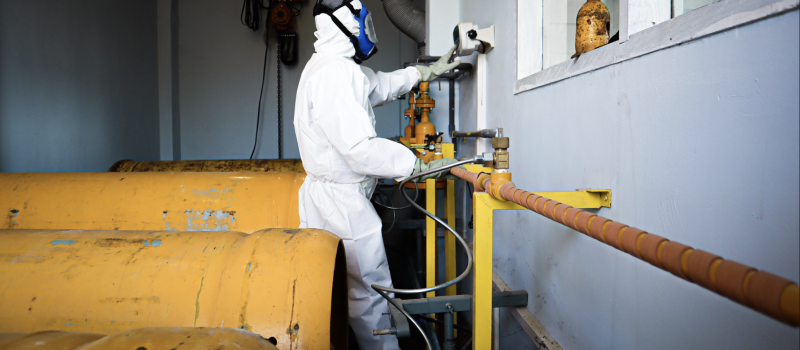
Pipeline safety protects Charlotte, NC, workers by combining task-specific training, excavation inspections, hazard controls, emergency preparation, and clear reporting procedures. For contractors, operators, and safety managers, these measures help turn written policies into daily practices that address the hazards crews actually face.
An effective program also clarifies responsibilities. Workers need to understand their assignments, supervisors need a process for correcting unsafe conditions, and management needs records that show whether required activities are being completed. At OSEA, we support these needs through safety training, audits, OSHA compliance assistance, and pipeline safety management services.
Recognizing Pipeline Hazards Before Work Begins
Pipeline construction and maintenance can involve open excavations, moving equipment, suspended loads, and pressurized systems. Depending on the task and location, crews may also encounter hazardous atmospheres, welding hazards, noise, or nearby public traffic. Each work area needs an assessment that reflects the actual conditions.
For Charlotte projects near roads, buildings, or other utilities, planning should address how construction activities interact with surrounding infrastructure. Before excavation begins, employers must determine the estimated locations of underground installations and contact the relevant utility owners. As excavation approaches those installations, their exact locations must be established using safe, acceptable methods.
A useful pre-job review connects each hazard to a specific control and a responsible person. For example, a discussion about moving equipment should establish how operators and ground crews will communicate and where workers must remain during lifting or digging activities. This gives supervisors a practical basis for checking whether the planned controls are in place.
Matching Safety Training to Each Worker’s Responsibilities
Safety training should prepare employees for their assigned work. Under OSHA’s construction training requirements, employers must instruct employees to recognize and avoid unsafe conditions and understand the regulations applicable to their work environment.
For pipeline crews, training needs may include excavation hazards, equipment awareness, personal protective equipment, and emergency procedures. Additional instruction depends on the work, such as welding, pressure testing, or entry into confined spaces, where applicable. Managers should confirm that course content matches the employee’s responsibilities and the project’s requirements.
Site orientation should explain local conditions, reporting contacts, and emergency arrangements. Task briefings should then address the work ahead, particularly when equipment, crews, or conditions change. Managers can strengthen these discussions by asking workers to explain the controls they will use.
Where the pipeline operator’s qualification program applies, general safety training alone does not establish qualification for covered tasks. The Pipeline and Hazardous Materials Safety Administration (PHMSA) explains that operators establish covered tasks and qualification requirements and must ensure contractor compliance with their programs. Training records and task qualifications should therefore be reviewed separately.
Using Competent Person Inspections to Address Excavation Risks
Excavation conditions can change during a shift. Rainfall, water accumulation, nearby equipment, or changes in soil conditions can introduce hazards after work begins. Inspection responsibilities must be assigned to someone with the knowledge and authority to respond.
OSHA defines a competent person by their ability to identify existing and predictable hazards and their authorization to take prompt corrective measures. A job title or course completion certificate alone does not establish that someone meets this definition.
Under OSHA’s excavation standard, a competent person must inspect excavations, adjacent areas, and protective systems before work starts and as needed throughout the shift when employee exposure can reasonably be anticipated. Inspections are also required after rainstorms and other events that increase hazards. If hazardous conditions are found, exposed employees must be removed until necessary precautions are taken.
For project managers, the practical priority is making sure this responsibility is understood and supported. Inspection findings should lead to corrective action, with clear communication about who will resolve the issue and when affected work can resume. An outside safety professional can support the program, while the employer remains responsible for meeting applicable obligations.
Preparing Crews for Pipeline Emergencies
Emergency preparation should reflect the project’s location, hazards, and access limitations. A plan that workers cannot explain or use provides little practical support when conditions change quickly.
Before mobilization, managers should review how crews will report emergencies, identify their location, and reach a safe assembly area. Planning should also address emergency vehicle access and coordination with responders where appropriate. As work moves along a pipeline route, those arrangements may need to change.
Workers should understand their assigned response duties and the limits of their training. Rescue arrangements need particular attention wherever the work presents excavation or atmospheric hazards. These situations require planning for suitable personnel and equipment rather than relying on an improvised response.
Brief exercises can help reveal communication gaps before an incident occurs. For example, a supervisor can ask whether a new worker knows the site access point, who makes the emergency call, and how responders would find the crew’s current location.
Keeping Pipeline Safety Programs Current
Pipeline safety requirements help employers protect workers, maintain safe operating conditions, and manage risks throughout a project. For companies working in Charlotte, understanding which requirements apply to their activities is an important part of planning and daily oversight.
A practical compliance approach connects these responsibilities with employee training, equipment maintenance, inspections, and clear work procedures. Managers should assign responsibilities and address identified hazards promptly so that safety expectations guide decisions in the field.
As project conditions or requirements change, employers should review their safety programs and update procedures where needed. Professional safety support can help teams identify gaps, understand their responsibilities, and maintain a consistent approach to worker protection.
Encouraging Reporting and Following Through on Findings
Workers need a reliable way to report unsafe conditions, near misses, and injuries. Supervisors should explain how concerns are escalated and provide feedback about corrective actions. Following up shows workers that their concerns are taken seriously.
Recognition programs should support participation. OSHA recommends recognizing activities such as identifying hazards and suggesting safer procedures. Incentives should not discourage workers from reporting an injury or illness.
Federal pipeline whistleblower protections also prohibit covered employers from retaliating against employees for specified protected activities, including reporting potential violations of federal pipeline safety law. Complaints under the Pipeline Safety Improvement Act generally must be filed with OSHA within 180 days of the alleged retaliation. Managers should ensure supervisors understand these protections and respond appropriately when concerns are raised.
Strengthening Pipeline Safety in Charlotte With OSEA
For safety managers balancing field oversight, training records, and compliance responsibilities, outside support can help address gaps in safety staffing or expertise. The appropriate scope depends on project hazards, duration, staffing, and the operator’s requirements.
OSEA has provided environmental, health, and safety consulting since 1991. Our pipeline safety services include full-time or part-time safety management support, with trainers and evaluators available for relevant project needs. We also provide safety audits and OSHA compliance assistance to support broader workplace safety programs.
Pipeline safety in Charlotte requires consistent attention from planning through project completion. To discuss training, audits, or on-site support for your project, contact OSEA or call our Charlotte office at (704) 399-7945.