Why Are Construction Safety Audits Needed in Charlotte
Monday, July 27, 2026 OSEA, Inc.
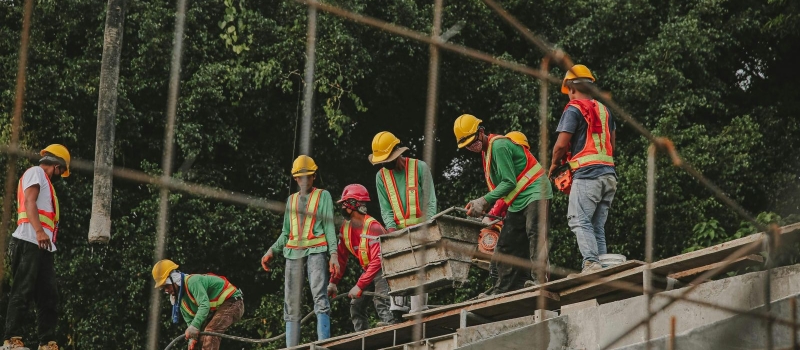
Construction sites are constantly changing. New crews arrive, equipment moves between work areas, project phases shift, and previously controlled hazards can reappear. Even when a project begins with a detailed safety plan, changing conditions may create risks that are difficult to identify during everyday operations.
Construction safety audits give Charlotte contractors, project managers, safety directors, and business owners a structured way to evaluate their worksites. By reviewing jobsite conditions, documentation, training, and safety procedures, an audit can reveal gaps before they contribute to injuries, regulatory concerns, project delays, or unexpected costs.
A professional audit is more than a compliance checklist. It helps determine whether a company’s safety program is working in real-world conditions and provides practical recommendations for protecting workers and improving operations.
What Is a Construction Safety Audit?
A construction safety audit is a comprehensive evaluation of a company’s safety systems and jobsite practices. It examines whether established procedures meet applicable requirements, whether workers understand those procedures, and whether controls are effectively reducing risk.
During an audit, a safety professional may review:
-
Written safety programs and site-specific plans
-
Training records and employee qualifications
-
Equipment and inspection documentation
-
Fall protection and scaffold procedures
-
Personal protective equipment practices
-
Hazard communication procedures
-
Emergency response plans
-
Incident and near-miss records
-
Subcontractor coordination
-
Corrective action documentation
The auditor may also walk through active work areas, observe employees performing tasks, interview supervisors, and identify differences between written policies and actual practices.
What Is the Difference Between an Audit and an Inspection?
Although the terms are sometimes used interchangeably, a safety audit and a safety inspection have different purposes.
A jobsite inspection generally focuses on current physical conditions. For example, an inspector may identify an unprotected opening, a damaged electrical cord, improperly stored material, or a missing guardrail.
A safety audit takes a broader view. It asks why the unsafe condition occurred and whether the organization has an effective system for preventing it from happening again.
If an employee is not using fall protection correctly, an audit might examine:
-
Whether appropriate equipment was provided
-
Whether the employee received adequate training
-
Whether supervisors are enforcing the procedure
-
Whether inspections are being documented
-
Whether subcontractors understand site requirements
-
Whether previous concerns were corrected
This broader approach helps companies address the causes of safety problems rather than repeatedly correcting individual symptoms.
Why Are Construction Safety Audits Important?
Identifying Hazards Before an Incident
One of the primary purposes of a construction safety audit is to identify hazards before someone is injured.
Construction workers may encounter risks involving falls, scaffolds, trenches, electricity, machinery, vehicle movement, hazardous materials, noise, respiratory exposure, and changing weather conditions. When crews become familiar with a site, recurring hazards can sometimes become less noticeable.
An objective audit introduces a fresh perspective. It can reveal unsafe behaviors, overlooked maintenance concerns, incomplete documentation, or weaknesses in site coordination.
Identifying these issues early gives project leaders time to implement corrective measures before they contribute to an incident, work stoppage, or regulatory inspection.
Supporting OSHA Compliance
Construction employers are responsible for maintaining safe working conditions and following applicable workplace safety requirements. Depending on the type of work being performed, these responsibilities may include written safety procedures, employee training, routine inspections, protective equipment, recordkeeping, and hazard-specific controls.
The exact requirements can vary based on the project, work activities, and risks present at the jobsite. Employers should regularly review their safety programs to confirm that current procedures, training, and documentation remain appropriate for the work being completed.
A safety audit can help determine whether a company has:
-
Identified the standards that apply to its work
-
Developed the necessary written procedures
-
Assigned appropriately qualified personnel
-
Completed and documented required inspections
-
Provided task-specific employee training
-
Maintained accurate safety records
-
Corrected previously identified concerns
An audit cannot guarantee that a company will never receive a citation. However, it can help management identify potential compliance gaps before they become larger problems.
Verifying That Written Programs Work in Practice
A written safety program only provides value when employees and supervisors apply it consistently.
A contractor may have detailed procedures for fall protection, hazard communication, or equipment operation, but field observations may reveal that the procedures are misunderstood or inconsistently enforced. Training records may appear complete even though employees cannot explain how to respond to the hazards they face.
A construction safety audit compares written expectations with actual jobsite performance. This helps management determine whether procedures are practical, whether employees understand their responsibilities, and whether supervisors are reinforcing company standards.
When gaps are found, the company can improve its training, communication, supervision, or documentation instead of assuming the written program is sufficient.
Reducing Project Delays and Operational Disruptions
A workplace incident can affect an entire project. Work may stop while the company conducts an investigation, replaces damaged equipment, communicates with clients, or implements corrective measures.
Even when no injury occurs, an urgent hazard correction can disrupt work and reduce productivity.
Regular audits help companies recognize and correct concerns before they disrupt operations. Improving access routes, housekeeping, equipment inspections, material storage, or crew coordination can make the jobsite safer while helping work proceed more efficiently.
A proactive approach also allows managers to prioritize corrective actions based on risk, rather than responding to problems only after an incident occurs.
Improving Subcontractor Coordination
Many construction projects involve several employers working in the same location. Each contractor may have different procedures, equipment, supervisors, and training systems.
Without clear coordination, one crew’s activities may create hazards for another. An audit can evaluate how effectively general contractors, subcontractors, and project owners communicate about the following:
-
Shared work areas
-
Site access and traffic patterns
-
High-risk activities
-
Emergency procedures
-
Equipment use
-
Hazardous materials
-
Work sequencing
-
Restricted areas
-
Corrective action responsibilities
Clear expectations help reduce confusion and ensure that everyone understands the safety procedures that apply to the site.
Strengthening Employee Participation
Employees often notice changing hazards before management does. They work directly with the equipment, materials, and procedures being evaluated.
An effective safety audit should therefore include employee input. Workers may be asked whether they understand site procedures, know how to report hazards, have access to appropriate protective equipment, and feel comfortable communicating safety concerns.
When employees see that management takes their feedback seriously and follows through on corrective actions, they are more likely to participate in the safety program. This supports a workplace culture in which safety is treated as a shared responsibility rather than solely as a management requirement.
What Should a Construction Safety Audit Include?
The scope of an audit should reflect the size of the project, the work being performed, and the level of risk involved.
Review of Jobsite Conditions
The auditor should observe active work areas and evaluate conditions related to scaffolds, ladders, excavations, electrical equipment, machinery, vehicle traffic, material storage, access points, housekeeping, signage, and personal protective equipment.
Department of Labor provides both short and long construction inspection checklists that can help employers evaluate common jobsite concerns. However, a checklist should be adapted to the specific project rather than treated as a complete solution for every site.
Review of Safety Documentation
Documentation can reveal whether the company has established a consistent safety process. The auditor may review:
-
Written policies
-
Site-specific plans
-
Training records
-
Equipment inspection logs
-
Incident reports
-
Near-miss documentation
-
Employee certifications
-
Corrective action records
Missing or incomplete records may indicate that important activities are not being performed or consistently documented.
Employee and Supervisor Interviews
Interviews help determine whether employees understand the hazards associated with their work. Supervisors may also be asked how they communicate expectations, address unsafe behavior, and verify that corrections are completed.
The goal is not to assign blame. It is to understand how the safety program functions across different levels of the organization.
Corrective Action Planning
A useful audit report should do more than document findings. Each finding should include a clear description of the concern and a recommended corrective action.
Findings should be prioritized according to severity, applicable requirements, necessary interim controls, and the time needed to complete corrective action. Responsibilities should also be clearly assigned so that corrective actions do not remain unresolved.
Follow-Up Verification
An audit should not end when the report is delivered.
Follow-up verification confirms that recommendations were implemented and that the corrective measures are effective. It also provides an opportunity to identify recurring issues that may require additional training, supervision, or program changes.
When Should Construction Safety Audits Be Conducted?
There is no single schedule that works for every construction company. Audit frequency should be based on the project’s complexity, risk level, workforce, and changing conditions.
Companies may benefit from scheduling audits:
-
At the beginning of a project
-
Before a high-risk phase begins
-
After significant changes to the site
-
When new equipment is introduced
-
When additional subcontractors arrive
-
Following an incident or near miss
-
When recurring hazards are identified
-
After safety procedures are updated
-
Before an important client or regulatory review
Routine internal inspections may occur more frequently, while comprehensive third-party audits can be conducted at important project milestones.
Why Work With an Independent Safety Consultant?
Internal safety teams understand their projects, but familiarity can sometimes make repeated issues less visible. An independent consultant can provide an objective evaluation and identify concerns that may have become accepted as normal.
Third-party support may be especially valuable for companies that:
-
Do not employ a full-time safety professional
-
Manage several active job sites
-
Are preparing for a complex project
-
Have experienced recurring incidents
-
Need specialized environmental or industrial hygiene support
-
Want an objective review of their safety program
Independent support should identify root causes and provide practical corrective actions. A qualified consultant should offer practical recommendations that match the company’s operations, workforce, and project requirements.
Construction Safety Support From OSEA
Since 1991, Occupational Safety & Environmental Associates, Inc. has provided environmental, health, safety, and risk assessment support. OSEA maintains a full-service office in Charlotte and provides construction safety services, safety audits, sampling, consultation, and training.
OSEA’s hands-on approach aligns with the needs of safety managers, facility leaders, business owners, and compliance professionals who need clear guidance and practical solutions. OSEA’s services help organizations protect workers, improve safety systems, and address workplace concerns proactively.
Protect Your Charlotte Construction Workforce
Construction safety audits help companies move beyond reactive problem-solving. They provide a structured way to identify hazards, evaluate compliance, improve employee participation, and verify that safety procedures are working in the field.
For construction companies in Charlotte, regular audits can support safer operations, stronger documentation, better communication, and more consistent project performance.
Contact OSEA to discuss construction safety audits, OSHA compliance consultation, employee training, or on-site safety support for your organization.