Safety Training for Construction Workers in Buffalo
Tuesday, February 10, 2026 OSEA, INC.
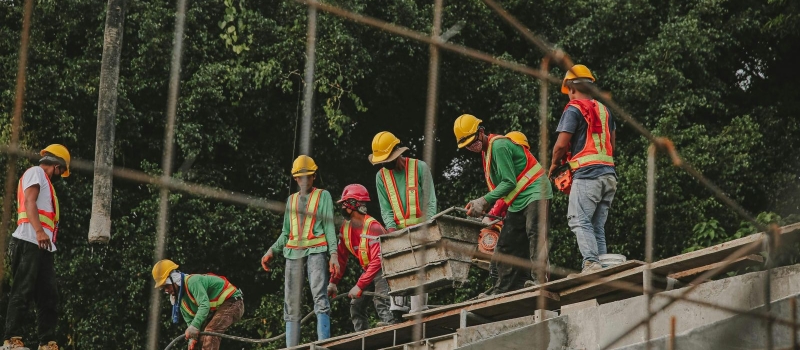
Safety on construction sites is non-negotiable. It's the foundation of a responsible construction environment, and in Buffalo, New York, where the climate and aging infrastructure introduce unique challenges, having the proper safety training can make all the difference. Whether it's preventing slips, trips, and falls in icy conditions or adhering to OSHA regulations for complex demolition projects, safety training is an essential part of keeping construction sites safe and compliant.
In this guide, we’ll explore the importance of safety training for construction workers in Buffalo, the essential OSHA compliance requirements, and how organizations like OSEA (Occupational Safety & Environmental Associates) can provide the necessary resources to help you stay safe, meet compliance requirements, and protect your workforce.
The Importance of Safety Training for Construction Workers in Buffalo
Buffalo’s construction industry faces specific safety challenges. The region’s weather, with harsh winters and freezing temperatures, ice, and snow, creates a higher risk for falls, slips, and accidents. In addition to the cold, many of the city’s older buildings, which are frequently under renovation, pose additional hazards such as lead exposure or asbestos. These unique conditions make tailored safety training an essential component of any construction site.
At OSEA, we understand that generic safety training may not be enough. Construction workers in Buffalo need training programs that are adapted to the region’s specific risks, from the cold winter months to the challenges posed by older structures. This is why OSEA offers specialized training tailored to the unique hazards workers encounter on Buffalo’s job sites.
Key OSHA Compliance Requirements
When it comes to safety, OSHA (Occupational Safety and Health Administration) is the standard by which all construction projects must adhere. OSHA compliance isn't just a set of rules to follow; it's about protecting workers from life-threatening hazards. Here are the core OSHA regulations every construction site should follow:
1. Fall Protection
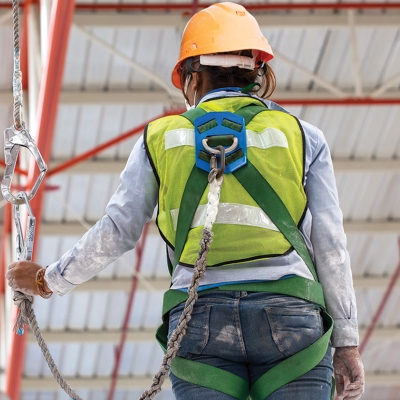
According to OSHA, falls are one of the leading causes of injury and death in the construction industry. The OSHA Fall Protection standard requires that workers use fall protection systems when working at heights above six feet. This includes guardrails, safety nets, and personal fall arrest systems (PFAS).
For Buffalo construction site workers, fall protection is particularly crucial due to the region’s weather conditions. Ice and snow can make scaffolding and ladders slippery, increasing the risk of falls. That’s why fall protection training is a critical component of OSEA’s OSHA-compliant safety courses.
2. Scaffolding
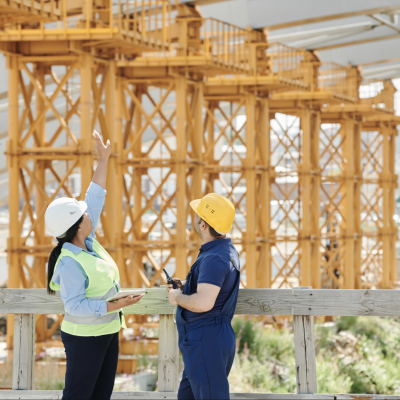
Scaffolding is essential for many construction projects in Buffalo, but if not installed and used correctly, it can pose significant safety risks. OSHA’s scaffolding standards outline guidelines for the safe assembly, use, and dismantling of scaffolds to prevent falls, instability, or collapse.
Training on scaffolding ensures workers understand how to properly set up scaffolding, secure it, and use it safely. Workers also need to be educated on load capacity requirements, access points, and proper guardrail systems.
3. Ladders
Ladders are often taken for granted on construction sites, but they’re a common cause of accidents. OSHA’s ladder standards provide guidelines on how to select, inspect, and use ladders safely. These rules include specifications such as maximum load capacity, proper angle setup, and the use of non-slip feet to prevent falls.
4. Hazard Communication
Construction sites often involve exposure to hazardous chemicals, such as solvents, paints, and adhesives. OSHA’s Hazard Communication standard ensures that workers understand the risks associated with chemicals they may come in contact with on-site.
Training on hazard communication ensures workers know how to read safety data sheets (SDS), recognize hazardous chemicals, and follow safe handling procedures to avoid dangerous exposure.
5. Personal Protective Equipment (PPE)
One of the most critical aspects of safety training is ensuring workers understand how to use personal protective equipment (PPE) effectively. Whether it’s hard hats, eye protection, or gloves, workers must be trained to select, use, and maintain their PPE. OSEA’s training programs ensure workers understand the importance of PPE and how to properly wear and maintain their protective gear.
OSEA’s Comprehensive Safety Training Solutions
With over 30 years of experience in Buffalo’s construction and safety industries, OSEA is uniquely positioned to provide customized safety training that meets the specific needs of Buffalo construction site workers. Whether your workforce is small or large, OSEA can provide the training necessary to ensure compliance with OSHA regulations and keep workers safe.
Customized Training for Buffalo’s Unique Environment
Buffalo’s weather conditions, historical architecture, and industrial landscape require safety training that is customized for the region. At OSEA, we offer courses tailored to the specific risks of working in Buffalo, such as:
-
Winter Safety Training: Addressing the risks posed by icy conditions, snow, and freezing temperatures on-site.
-
Asbestos and Lead Safety: Providing specialized training for working in older buildings that may contain hazardous materials like lead and asbestos.
-
Construction Site Safety Management: Offering in-depth training on hazard recognition, emergency procedures, and PPE use in construction sites specific to Buffalo’s unique conditions.
Flexible Learning Options
OSEA understands that construction workers often have demanding schedules. To make safety training more accessible, we offer a variety of learning formats, including:
-
In-Person Training: Held at OSEA’s Buffalo office, these hands-on courses ensure workers are well-prepared for site-specific challenges.
-
Live Webinars: Offering the flexibility of remote learning, our live webinars allow workers to engage with instructors in real-time from the comfort of their home or office.
-
Online Courses: For those who need even more flexibility, our online courses provide an on-demand learning experience that fits into any schedule.
The Role of Supervisors in Construction Safety
In addition to providing training for workers, it’s essential to have strong leadership on-site. Supervisors play a key role in maintaining safety on construction sites, acting as the bridge between the safety policies and the workers. Effective site supervisors should be trained to:
-
Conduct daily safety briefings.
-
Monitor compliance with safety protocols.
-
Identify hazards and intervene before accidents occur.
-
Lead by example in following safety practices.
OSEA offers specialized supervisor training to ensure leaders are equipped to handle safety concerns, manage their teams effectively, and maintain a strong safety culture on-site.
Advanced Certifications: Investing in Worker Safety
In addition to basic OSHA compliance training, many construction workers can benefit from advanced certifications that enhance their skills and expertise. OSEA offers a range of advanced certifications, including:
-
OSHA 30-Hour Construction: A more comprehensive safety training program that goes beyond the basics to cover more complex hazards and safety management.
-
Certified Safety Professional (CSP): This certification is ideal for those looking to advance their safety careers and take on leadership roles in safety management.
-
HAZWOPER: Focused on hazardous waste operations and emergency response procedures, this certification is crucial for workers handling hazardous materials.
-
First Aid/CPR: Offering life-saving skills for on-site emergencies, this certification ensures workers can act quickly in the event of an injury or health crisis.
Why Safety Training is an Investment in Your Workforce
Safety training is not just about avoiding fines or passing inspections; it’s an investment in your workforce. When workers are trained properly, they feel more confident and are less likely to make mistakes that can lead to accidents. Additionally, companies with strong safety programs often experience lower insurance premiums, fewer work stoppages, and higher worker morale.
For construction companies in Buffalo, investing in safety training is a way to enhance compliance, protect workers, and ultimately improve the success of every project.
Invest in Safety Today – Contact OSEA for Tailored Training Solutions
Safety training is vital to any construction project, and in Buffalo, the risks are heightened due to weather, age-old buildings, and specific environmental hazards. OSEA offers comprehensive, tailored training that helps construction workers meet OSHA compliance requirements while staying safe and productive on the job.
By choosing OSEA for your safety training needs, you're investing in your workforce's health, safety, and future success. Contact OSEA today to learn more about our training programs and how we can help you create a safer, more compliant construction site.