Addressing Workplace Safety Challenges in High-Risk Jobs
Tuesday, February 10, 2026 OSEA, Inc.
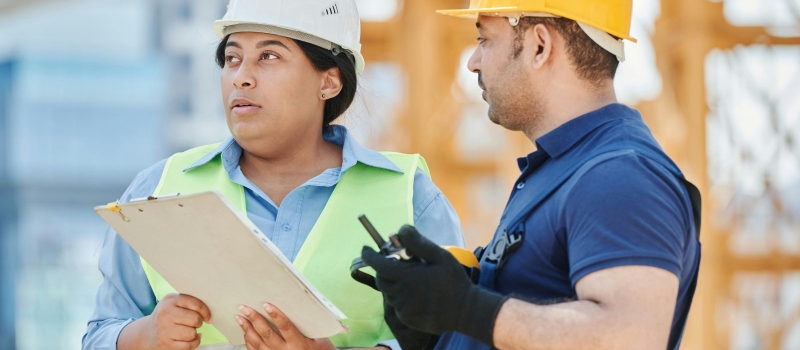
In industries with high-risk jobs, workplace safety isn't just a matter of following rules; it’s a commitment to protecting lives and preventing costly accidents. Whether your team is handling hazardous chemicals, operating heavy machinery, or working in dangerous environments like construction or mining, the stakes are high.
The good news? With the right training, tools, and safety protocols in place, these risks can be mitigated. In this guide, we explore the most common safety challenges faced by workers in high-risk jobs and offer actionable strategies to ensure compliance, reduce accidents, and protect your workforce.
The Critical Role of Safety Training in High-Risk Jobs
Every high-risk job shares one fundamental need: safety training. But not all training is created equal. Effective training goes beyond theoretical knowledge, it equips employees with practical, hands-on skills tailored to the unique risks they face.
For professionals in industries like construction, industrial manufacturing, or hazardous material handling, OSHA-compliant training programs such as HazWOPER (Hazardous Waste Operations and Emergency Response) are essential. These programs cover crucial topics like emergency procedures, equipment operation, and hazard recognition.
At Occupational Safety & Environmental Associates (OSEA), we offer specialized training courses that adhere strictly to OSHA and EPA standards, ensuring your employees are equipped to handle these risks confidently and effectively.
But training doesn't stop there. It’s an ongoing process. As industries evolve and new safety technologies emerge, continued education is key to keeping your workforce prepared. Moreover, fostering a culture of safety where employees feel empowered to report hazards and make safety a priority is just as important as compliance training.
Top Safety Challenges in High-Risk Jobs
High-risk jobs come with their own set of challenges. Understanding these challenges is the first step in mitigating them. Below, we break down some of the most pressing safety issues in high-risk work environments:
1. Hazardous Materials Handling
Handling hazardous materials, whether it's asbestos, chemicals, or other dangerous substances, requires extreme caution. Exposure to these materials doesn’t always result in immediate harm, but long-term effects can include chronic diseases, respiratory issues, and other serious health conditions.
At OSEA, we emphasize the importance of HazWOPER training, which teaches employees the proper techniques for handling hazardous materials. Training in how to recognize early signs of exposure and ensuring routine health checks are essential for reducing risks.
2. Heavy Machinery Accidents
Heavy machinery like cranes, excavators, and bulldozers is a major source of accidents in industries such as construction and manufacturing. While machinery is essential to operations, it also poses significant risks if not handled properly.
Proper maintenance schedules are critical to ensuring equipment remains safe to operate. Furthermore, continuous training helps employees stay sharp and ready to respond to emergencies. OSEA’s tailored machinery safety courses ensure operators are proficient in routine operations and emergency procedures.
3. Slips, Trips, and Falls
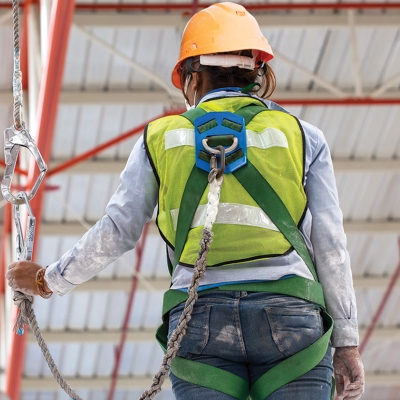
While it might sound basic, slip, trip, and fall accidents are among the most common causes of workplace injuries, especially in high-risk environments. Wet floors, uneven surfaces, and poorly maintained walkways contribute to these types of accidents.
To prevent falls, OSEA advocates for regular risk assessments and immediate action to correct potential hazards before accidents happen. Training your workforce to spot unsafe conditions and report them proactively can drastically reduce the likelihood of slip and fall injuries.
4. Environmental Hazards
Exposure to environmental hazards, like extreme temperatures, noise, or air pollution, can have serious long-term effects on workers’ health. Whether it’s the dangers posed by working in confined spaces or exposure to high noise levels in factories, safety measures need to be in place to protect workers from these hazards.
OSEA offers tailored programs focusing on industrial hygiene training and environmental hazard monitoring. These programs not only train employees to handle immediate risks but also prepare them for long-term prevention.
Strategies for Preventing Workplace Accidents in High-Risk Jobs
Managing safety in high-risk jobs requires a comprehensive approach. The strategies below will help you build a safer work environment, prevent accidents, and ensure OSHA compliance:
1. Comprehensive Safety Training
The cornerstone of any effective safety program is training. Comprehensive safety training doesn’t just cover the basics, it’s tailored to your specific industry needs. At OSEA, we offer OSHA-compliant training designed for high-risk industries like construction, manufacturing, and environmental health.
Training Topics should include:
-
Emergency Procedures: How to act during a fire, chemical spill, or other crises.
-
Equipment Operation: Proper machinery handling to prevent accidents.
-
Hazard Recognition: Identifying and mitigating risks before they lead to incidents.
-
First Aid and CPR: Equipping employees to act quickly when injuries occur.
-
Regulatory Compliance: Ensuring adherence to OSHA guidelines to avoid costly fines.
2. Use of Personal Protective Equipment (PPE)
Personal Protective Equipment (PPE) is a critical line of defense against injuries in high-risk jobs. But today, PPE is not just about hard hats and gloves. The latest innovations in PPE technology, such as smart helmets and wearable sensors, provide real-time data that can prevent accidents before they happen.
At OSEA, we advocate for the adoption of cutting-edge PPE and continuous training on how to use it effectively. Smart helmets, for example, can alert workers to dangerous gases or monitor vital signs, such as fatigue levels, that could signal an increased risk of injury.
3. Proactive Safety Culture
Building a strong safety culture is essential for long-term accident prevention. Employees should feel that their safety is a priority, and they should be encouraged to report hazards without fear of retaliation. This fosters an environment where workers are vigilant about their own safety and the safety of their peers.
Leaders in high-risk industries should actively participate in safety meetings, conduct regular site walk-throughs, and maintain open lines of communication about safety. When leadership sets the example, employees are more likely to follow suit.
4. Real-Time Safety Monitoring and Incident Reporting
In high-risk environments, incidents can escalate quickly. That's why real-time monitoring tools and incident reporting systems are essential. Technologies like wearable sensors and mobile apps allow supervisors to monitor worker health and environmental conditions continuously.
Encouraging workers to report near-misses and unsafe conditions can help prevent accidents before they happen. OSEA recommends integrating safety management technologies that notify supervisors of potential hazards, allowing for rapid intervention.
Building a Compliant and Safe Work Environment
Safety training and compliance go hand-in-hand. For high-risk industries, meeting OSHA standards is non-negotiable. But compliance isn’t just about avoiding fines; it’s about protecting your workforce and minimizing risk.
Regular safety audits and regulatory reviews are vital to ensure your workplace remains in compliance with ever-evolving regulations. The key is to take a proactive approach, anticipating risks and addressing them before they lead to accidents or injuries.
At OSEA, we offer comprehensive OSHA audits and consultation services to help you navigate regulatory requirements and ensure your workforce is always prepared for inspections and audits.
Protect Your Workforce with Expert Safety Solutions
Workplace safety in high-risk jobs isn’t just about ticking boxes; it’s about creating a culture that prioritizes the well-being of every employee. By implementing comprehensive safety training, leveraging cutting-edge PPE technology, and maintaining continuous compliance with OSHA standards, you can significantly reduce the risks your workforce faces every day.
At Occupational Safety & Environmental Associates (OSEA), we provide the expertise, training, and consultation you need to foster a safe and compliant work environment. Whether you're in construction, manufacturing, or environmental services, OSEA is your trusted partner for safety training and risk management solutions.
Don’t wait for an incident to happen, take action today to protect your employees and ensure the safety and success of your business. Contact OSEA for a safety consultation and explore how our training programs can help safeguard your workforce and ensure compliance.